At the outset of the job, what improvements are commonly included in a landscape renovation during the on-site evaluation?
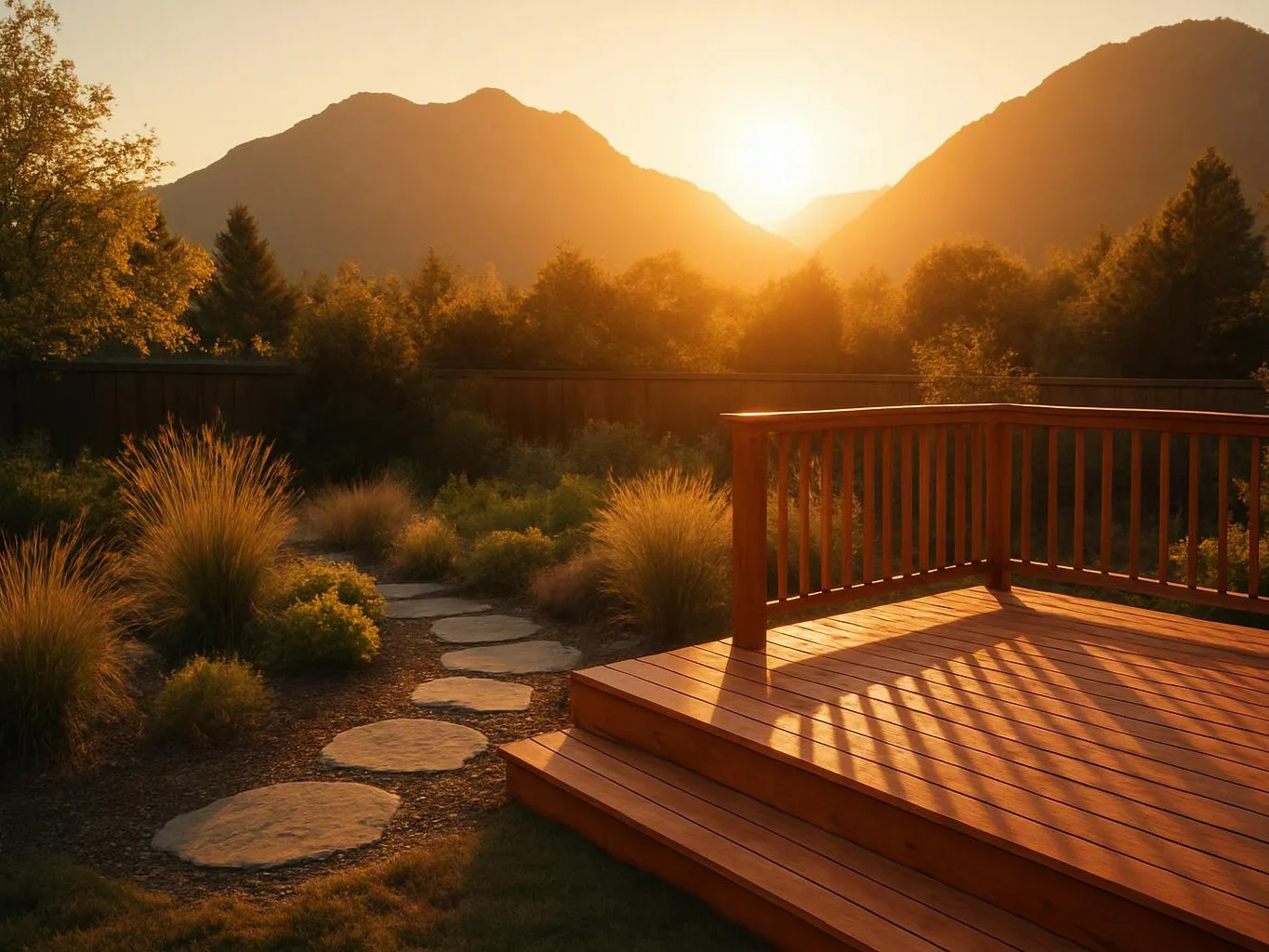
Plant replacement is commonly paired with bed reshaping, irrigation upgrades, pathway repairs, and mulch installation. The right mix depends on the existing yard and the planned use. We also coordinate garden design, patios, retaining walls, water features, lighting, and other outdoor improvements when they fit the approved scope.
Which part of a renovation changes the project price most?
The work scope drives the project price, especially plant quantities, hardscape repairs, irrigation changes, access, and selected materials. A planting-only update has different needs from a renovation that includes paths, walls, patios, or water features. We review those parts together and provide upfront pricing for the proposed work.
How should I prepare for the first site discussion?
Photos, a list of problem areas, and your preferred outdoor uses help shape the first discussion. Marking paths, beds, irrigation concerns, and features you want to keep can also help. Our review then focuses on the existing site, the desired changes, and the scope needed for a quote.
When is renovation a better fit than routine maintenance?
Renovation is the better fit when the bed layout, plant mix, irrigation, paths, or hardscape need a planned change. Routine maintenance fits mowing, pruning, weeding, and seasonal cleanup. A site review helps separate ongoing care from construction work and prevents a small maintenance request from being treated as a full redesign.
Why should irrigation be checked before new plants go in?
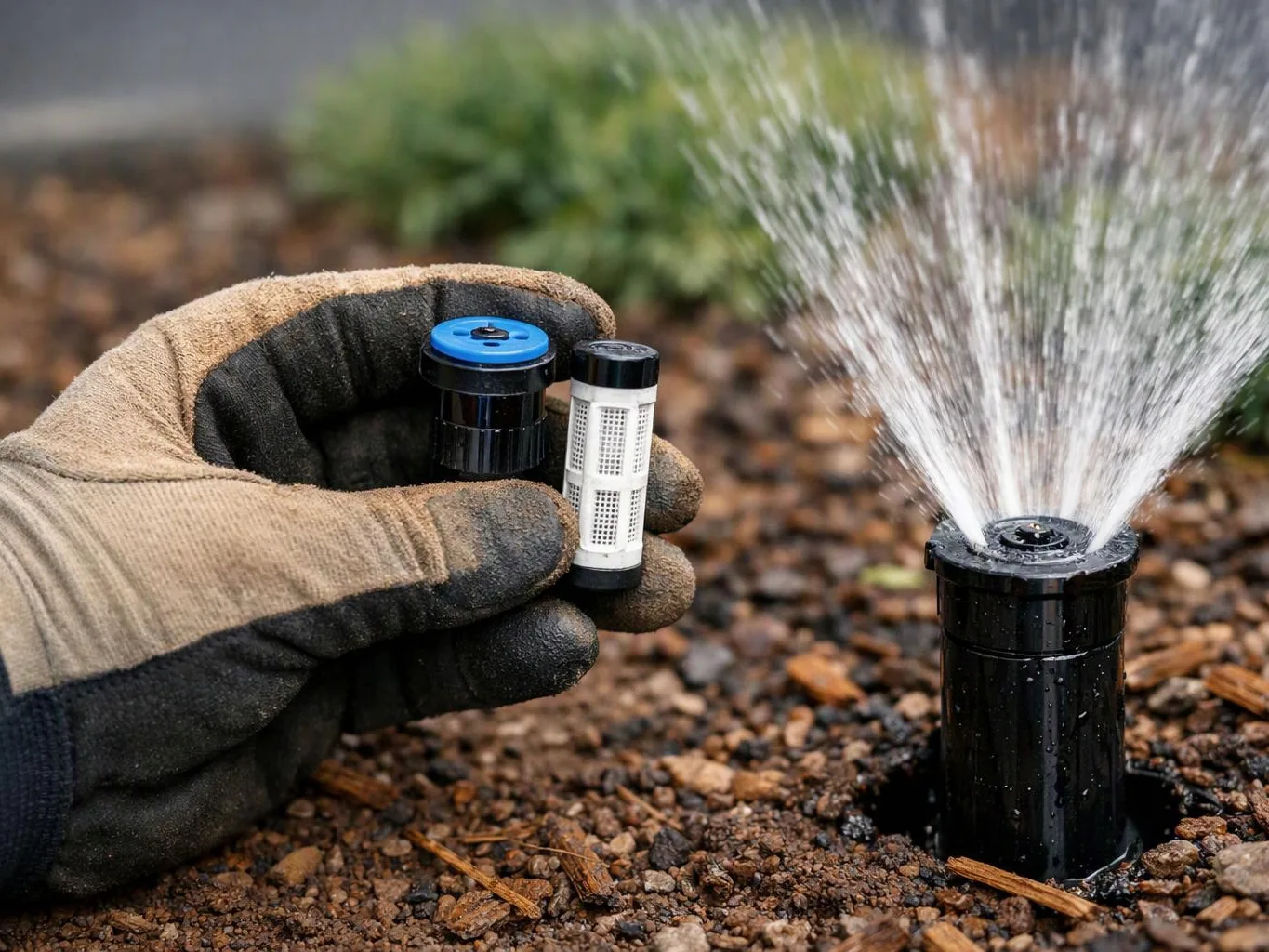
Irrigation should be checked first because uneven coverage can damage new planting and waste water. We compare the irrigation zones with the proposed bed layout and plant needs. The scope may include adjusting heads, changing coverage, or keeping the existing system when it serves the renewed beds well.
Can one renovation include plants, paths, and outdoor structures?
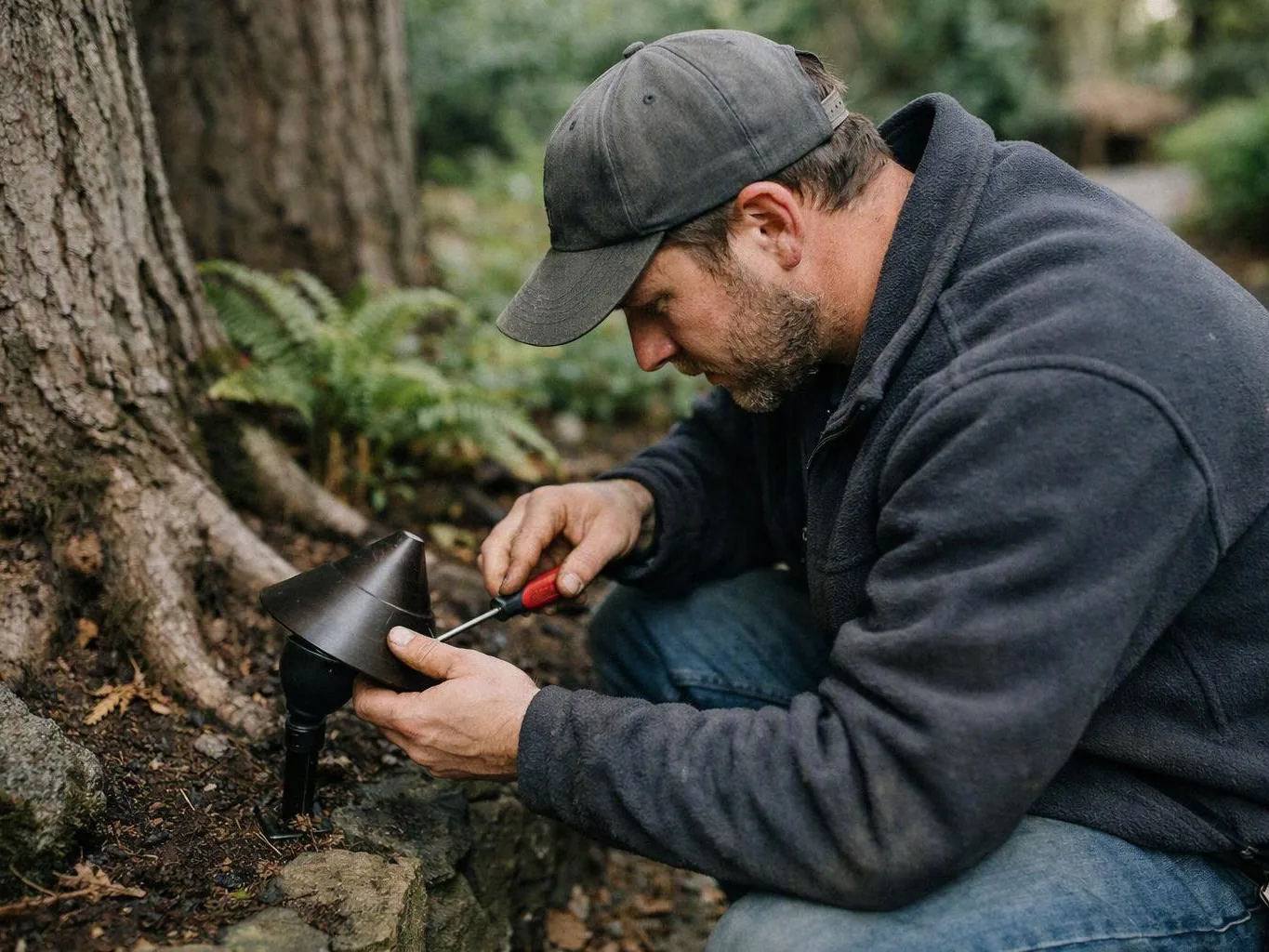
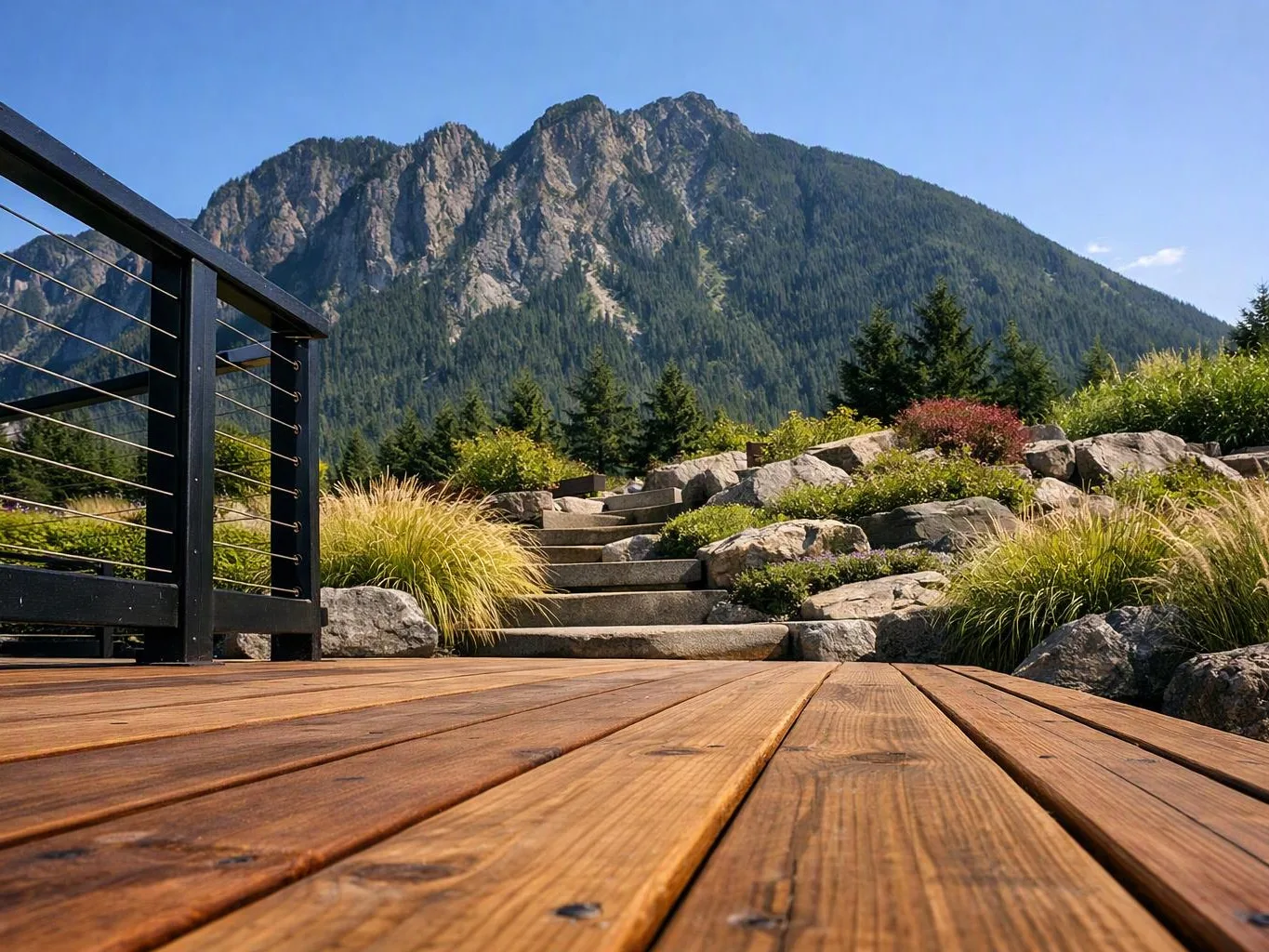
Yes, one renovation can include plants, paths, and outdoor structures when those parts belong to one coordinated scope. We can plan planting, patios, walkways, retaining walls, water features, and lighting together. This approach helps the finished work connect with the home instead of treating each feature as an isolated repair.
What warranty applies after installation?
Completed installations include a one-year warranty, excluding non-irrigated plantings. The warranty covers the completed installation under its stated terms. Plant care and regular maintenance still matter after construction, especially for new beds and other living elements.