How should a pond site be prepared before installation?
Electrical planning should happen before pond installation because equipment access affects the site layout. We then review the proposed pond area, utility needs, soil, excavation access, and overflow route. The plan should also account for patios, walkways, planting beds, and future maintenance access. This sequence gives the quote a clearer scope and reduces avoidable conflicts during construction.
What should I confirm before agreeing to a pond installation?
The installation scope should identify the pond location, excavation work, equipment access, materials, planting, and overflow route. Ask how the pond will connect with existing grades and nearby hardscape. Confirm which parts are included in the quote and which site conditions could change the work. A written scope helps you compare proposals on the same basis.
Which site conditions change the pond work plan?
Soil, slope, access, buried utilities, existing drainage, and nearby structures can change the pond work plan. Tight access may affect excavation and material movement, while poor soil may change basin preparation. Utility information also matters before digging. We review these conditions during the site assessment so the proposed work matches the property.
When should I request a pond site assessment?
A pond site assessment makes sense before you choose the final pond shape or commit to installation. Bring photos, the preferred location, access details, and any known drainage or utility concerns. Early review helps connect the water feature with patios, planting, paths, and future maintenance. It also gives the quote a more useful project scope.
Why does overflow routing matter around a pond?
Overflow routing matters because excess water needs a planned path away from the pond and nearby structures. The route should fit the existing grade and avoid damaging paths, planting areas, or hardscape. We consider overflow during site planning, not after the pond is built. The final approach depends on the property layout and project scope.
Who installs ponds as part of a larger landscape project?
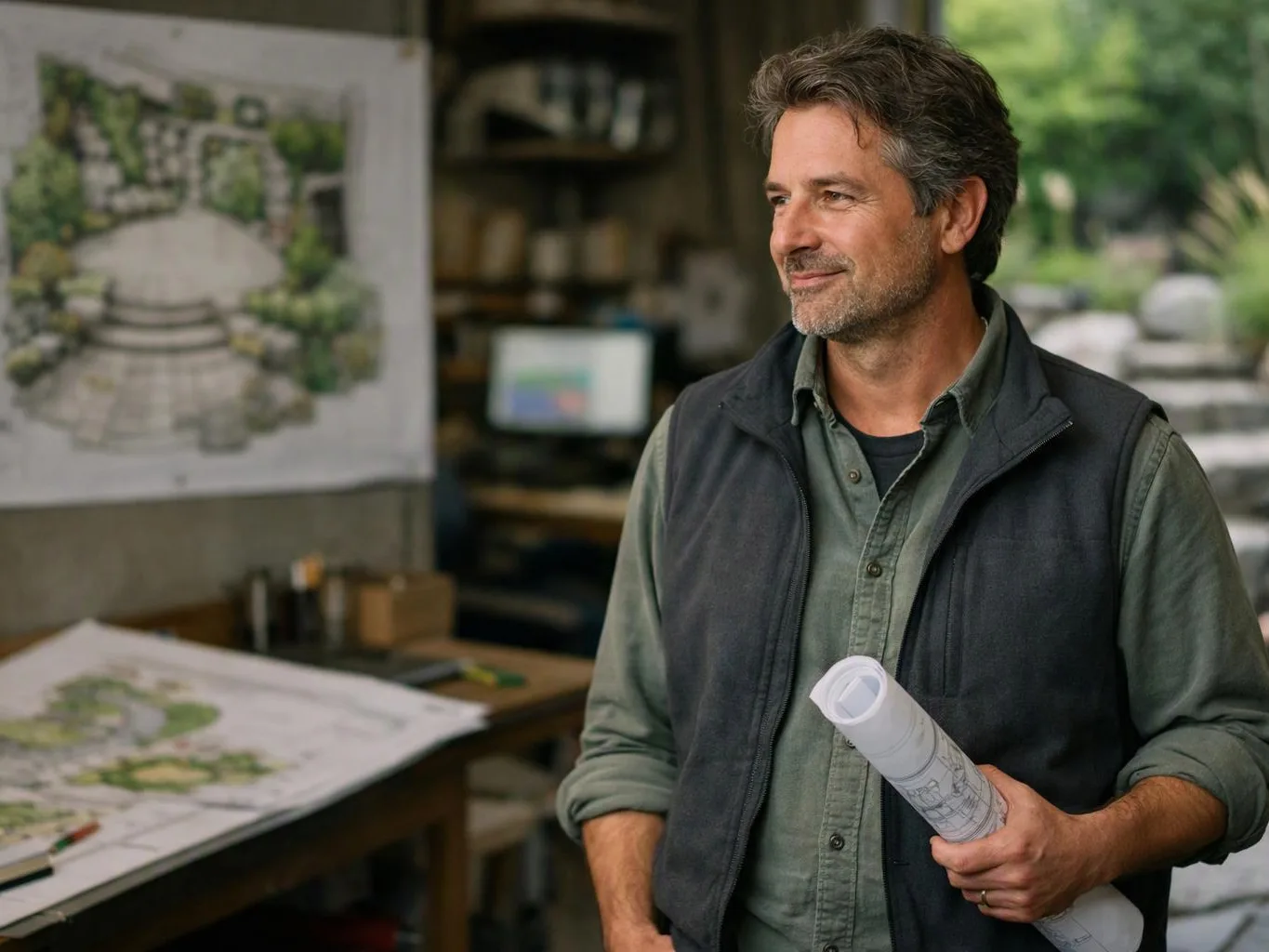
LandscaperSammamishwa.com installs ponds and related water features as part of residential landscape projects. Our design-to-build work connects the pond with planting, patios, walkways, retaining walls, and lighting when those elements are part of the scope. Adam Gorski leads a trained team with formal landscape design training and hands-on construction experience.
What makes a pond easier to maintain after installation?
Equipment access makes a pond easier to maintain after installation. Pumps and filters need a practical service path, while pond edges and planting should remain reachable for routine care. We include those access needs in the layout discussion. Regular maintenance can then address water quality, plant growth, debris, and equipment condition.