Ponds, Waterfalls, and Fountains: Choosing a Water Feature for Your Landscape
Water features in landscape design include ponds for aquatic habitats, waterfalls for movement and sound, and fountains for focused visual interest. LandscaperSammamishwa.com helps you match the feature to your space, maintenance goals, drainage, and landscape plan.
Written by Adam Gorski · 29 years of local experience
Request an EstimateA water feature can become a focal point that adds sound, movement, and calm to outdoor living areas.
We place each landscape water element where it supports the property layout and connects naturally with patios, pathways, planting beds, and views. The right feature should look planned, not added as an afterthought.
Water movement also changes how people experience a yard. Moving water can soften nearby noise, draw attention toward a seating area, and create a stronger visual connection between hardscape and planting design.
Article by Adam Gorski
How Water Features Shape a Landscape
Water features support landscape design decisions by adding a focal point, ambient sound, and visible movement.
A pond can anchor a garden and support aquatic planting. A waterfall can guide the eye across changes in grade, while a fountain can define a patio or entry view.
We also consider how the feature will look from inside the home and from common outdoor living areas. The best placement makes water part of the landscape plan instead of separating it from the rest of the yard.
Which Water Feature Fits Your Landscape?
The best water feature depends on the available space, desired sound and movement, maintenance preference, and role within the landscape.
Each option creates a different experience, so we compare the site and your goals before planning water circulation.
| Feature | Best fit | Maintenance focus | Visual effect |
|---|---|---|---|
| Pond | Gardens, aquatic plants, and fish habitat | Water quality, sediment, plants, pump, and filter | A settled garden centerpiece |
| Waterfall | Sloped areas and buyers who enjoy sound | Pump, spillway, rockwork, and water flow | Active movement with ambient sound |
| Fountain | Compact spaces and focused views | Pump, basin, debris, and water level | A clear, focused focal point |
What Types of Water Features Can You Add?
Landscape water features include garden ponds, pondless waterfalls, fountains, streams, and water gardens.
A pondless waterfall stores water below grade, so the visible design can focus on falling water and rockwork. A recirculating waterfall uses a pump to move water through the feature without a constant fresh-water supply.
Wall fountains and basin fountains suit patios, courtyards, and entry areas where space is limited. Streams can connect a higher planting area to a pond or water garden, while aquatic plants can add texture and support a wildlife habitat.
Should You Choose a Pond, Waterfall, or Fountain?
Choose a pond for habitat and aquatic planting, a waterfall for motion and sound, or a fountain for a compact focal point.
Your property layout should guide the choice. A pond needs room for its edge, plants, equipment, and access, while a waterfall can use a grade change to create movement.
A fountain may suit a smaller area or a design that needs one strong visual detail. We also weigh your sound preference, wildlife interest, and maintenance capacity before recommending a feature.
What Should You Check Before Installing a Pond?
Before installing a pond, check the site, water movement, access, utilities, planting needs, and maintenance plan.
When Do Pond Installation and Pond Cleaning Work Together?
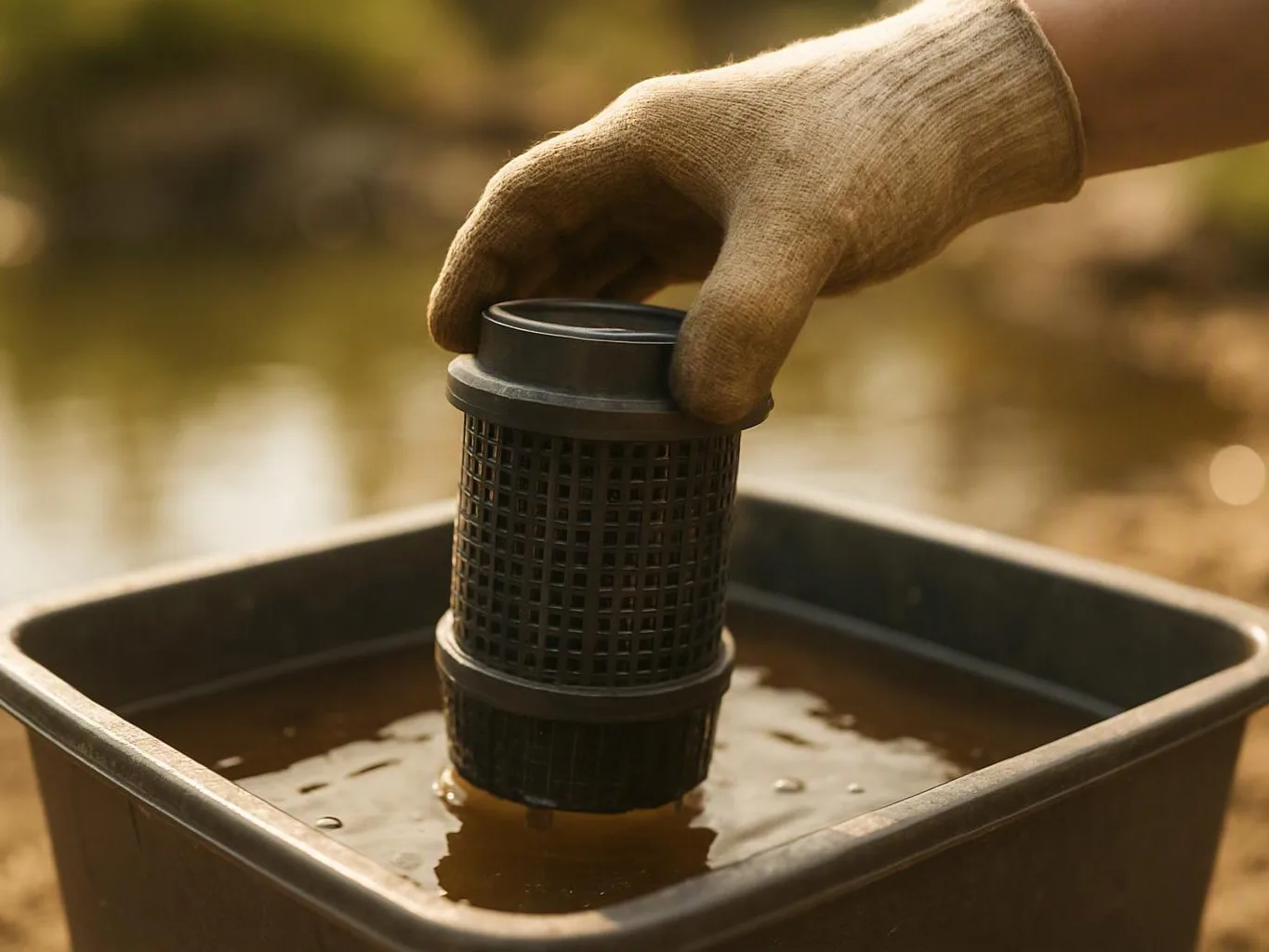
Pond installation and pond cleaning work together when the design, equipment, or water quality requires planned care.
We include cleaning access during installation so routine maintenance doesn't damage planting or finished surfaces.
How Do Pond Installation and Pond Cleaning Work Together?
Pond installation and pond cleaning work together through design choices that make equipment and water access easier to manage.
Our team reviews the project scope before work begins, so cleaning needs are part of the quote and maintenance planning.
How We Plan Water Features for the Whole Landscape
We plan water features as part of the whole landscape plan, including scale, planting design, hardscape, views, pathways, and drainage.
Landscape scale helps us choose a feature that feels balanced with the home and yard. A large pond can overwhelm a small garden, while a small fountain may disappear beside broad hardscape.
We study sightlines from windows, patios, and pathways. We also coordinate the water feature with planting beds, rock gardens, grade changes, and drainage routes.
Our team can help you review pond contractor services when a pond needs specialized planning, installation, or repair.
What Does a Water Feature Quote Include?
A water feature quote should reflect the selected design, site preparation, circulation equipment, rockwork, installation tasks, cleanup, and maintenance needs.
We review excavation, the liner, pump, filter, basin, plumbing, spillway, and rockwork as connected parts of the design. The quote can also account for planting, electrical coordination, cleanup, and access for future care.
Water feature design and site conditions shape the project scope. To obtain an exact quote, contact our team so we can review the landscape, drainage, equipment needs, and finish details.
How We Maintain, Repair, and Improve Water Features
We maintain, repair, and improve water features by checking water flow, equipment, visible surfaces, and signs of leaks.
Pond repair may involve leak detection, liner issues, damaged rockwork, blocked plumbing, or a pump that no longer moves water correctly. Pond cleaning removes debris and sediment while protecting aquatic plants and useful features.
For waterfall installation and fountain installation, we check the spillway, basin, pump, and return path. Our crew can adjust water flow, improve circulation, and plan repairs that fit the existing landscape design.
Questions About Choosing Water Features
Can a water feature work in a small landscape?
Yes, a water feature can work in a small landscape when its scale, access, and circulation needs fit the site. A wall fountain, basin fountain, or pondless waterfall can create visual interest without needing a large pond area.
Do ponds, waterfalls, and fountains need different maintenance plans?
Yes, ponds, waterfalls, and fountains need different maintenance plans because their pumps, filters, basins, plants, and water flow behave differently. We match seasonal cleaning and equipment checks to the selected feature.
How can a water feature fit with existing drainage?
Water features fit existing drainage when the design accounts for site grading, runoff paths, overflow, and soil conditions. We review drainage before installation so water movement supports the landscape instead of creating unwanted pooling.
What signs show that a pond needs cleaning or repair?
A pond may need cleaning or repair when debris builds up, water flow weakens, water quality changes, or the pump runs poorly. A falling water level can also point to a leak, liner problem, or plumbing issue that our team should inspect.
Tell us about your landscape, preferred water movement, and maintenance goals.