What improvements are commonly included in a landscape renovation?
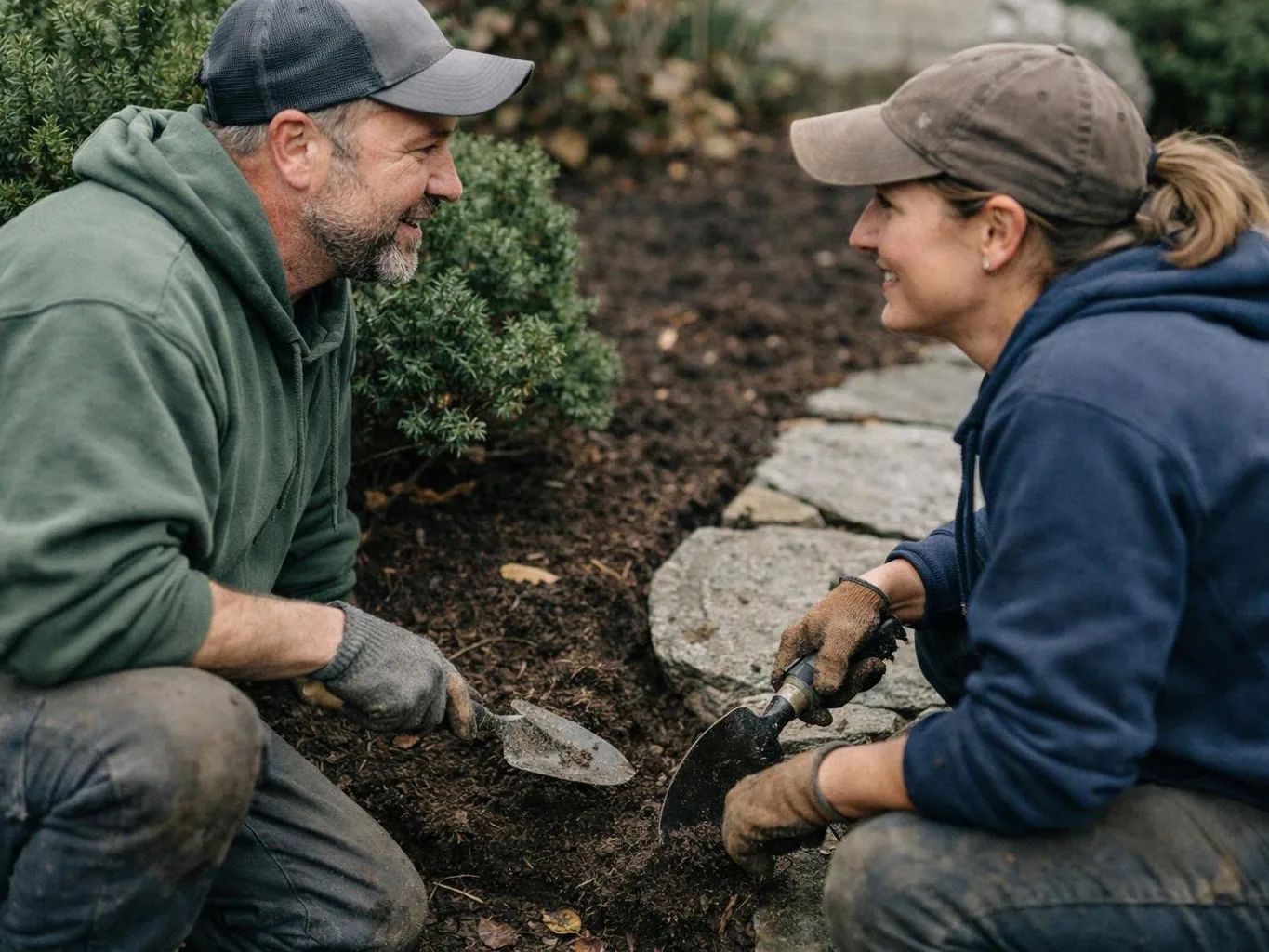
Plant replacement is a common part of landscape renovation, along with bed reshaping, irrigation upgrades, pathway repairs, and mulch installation. The right mix depends on the existing site and the changes you want. We also provide garden design, lawn installation, patios, retaining walls, water features, and lighting when those improvements fit the project.
How does the first renovation consultation work?
The first consultation reviews your goals and the existing outdoor space. We discuss plant health, bed shape, paths, irrigation, drainage, materials, access, and related features. Photos and a short list of problem areas help focus the conversation. The next step is a proposed scope that separates connected work clearly.
Which property conditions change the renovation scope?
Soil, slope, drainage, irrigation coverage, existing plants, hardscape, and site access change the renovation scope. A planting issue may also involve a bed edge or water delivery problem. Those conditions guide the design and the quote. We explain the findings so you can decide which improvements belong together.
What materials can change how pathway repairs are carried out?
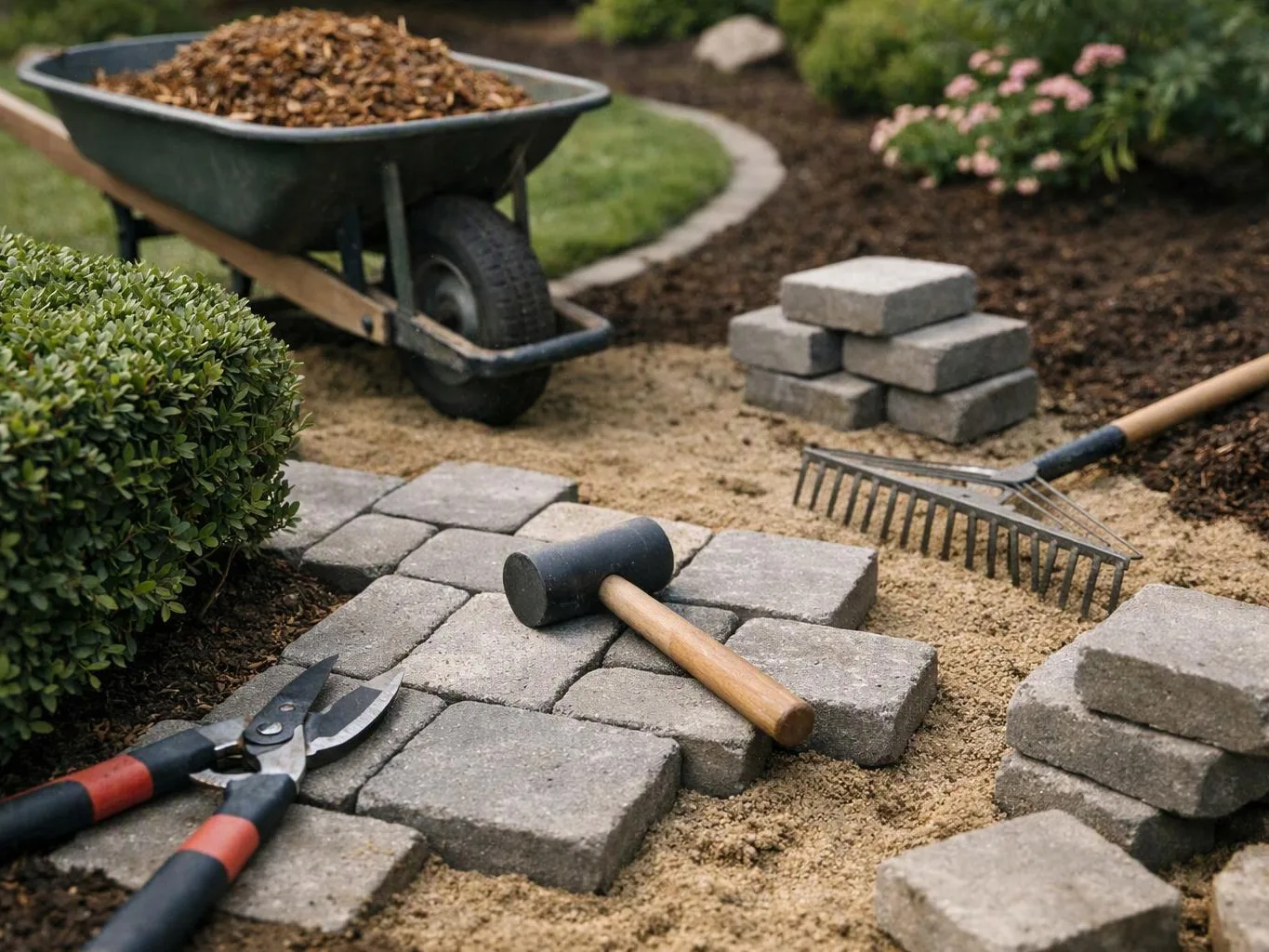
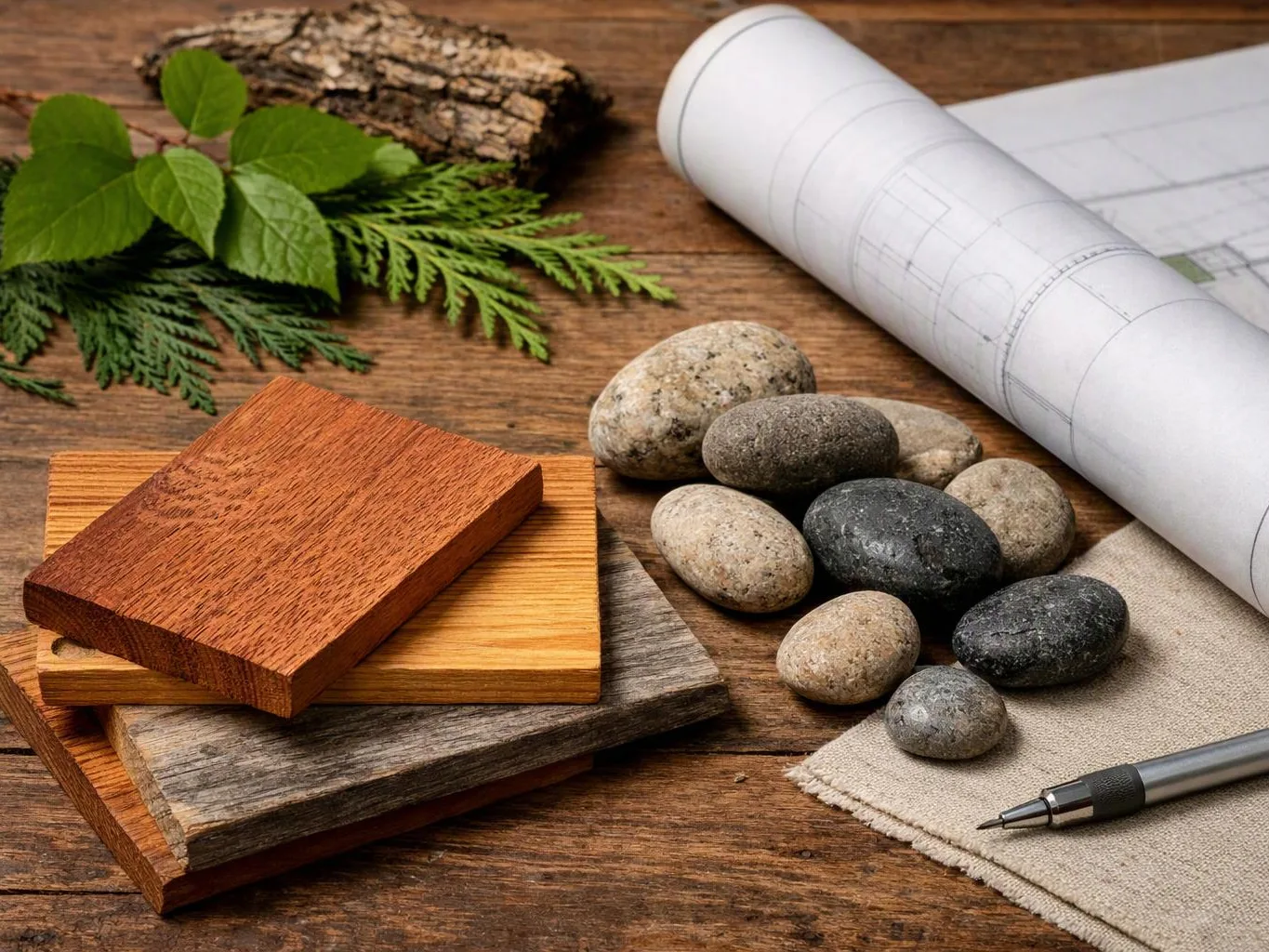
Pavers, natural stone, concrete, and other walking surfaces require different repair methods. The existing path base, edge support, grade, drainage, and connection to nearby beds also matter. We review the current surface before recommending work. The quote should identify the selected material and the repair area.
How do you decide whether existing plants stay?
Existing plants stay when their health, location, and size fit the revised design. We review plant condition, available space, water needs, and how each plant relates to paths and structures. Keeping suitable plants can shape the rest of the plan. Removal or relocation is discussed when a plant no longer fits.
What changes the price of a renovation quote?
The renovation quote changes with the work area, plant quantities, bed reshaping, irrigation upgrades, path repairs, mulch, access, and added construction. Materials also affect the scope. We review these items before presenting upfront pricing. A site discussion helps separate essential changes from optional additions.
Why should irrigation be reviewed before new plants are installed?
Irrigation should be reviewed because new plants need water coverage that matches their location and needs. Existing zones may not reach every bed or may water areas unevenly. We check the system as part of the renovation scope. The findings show whether planting work should include irrigation changes.