What are the benefits of native plant landscaping?
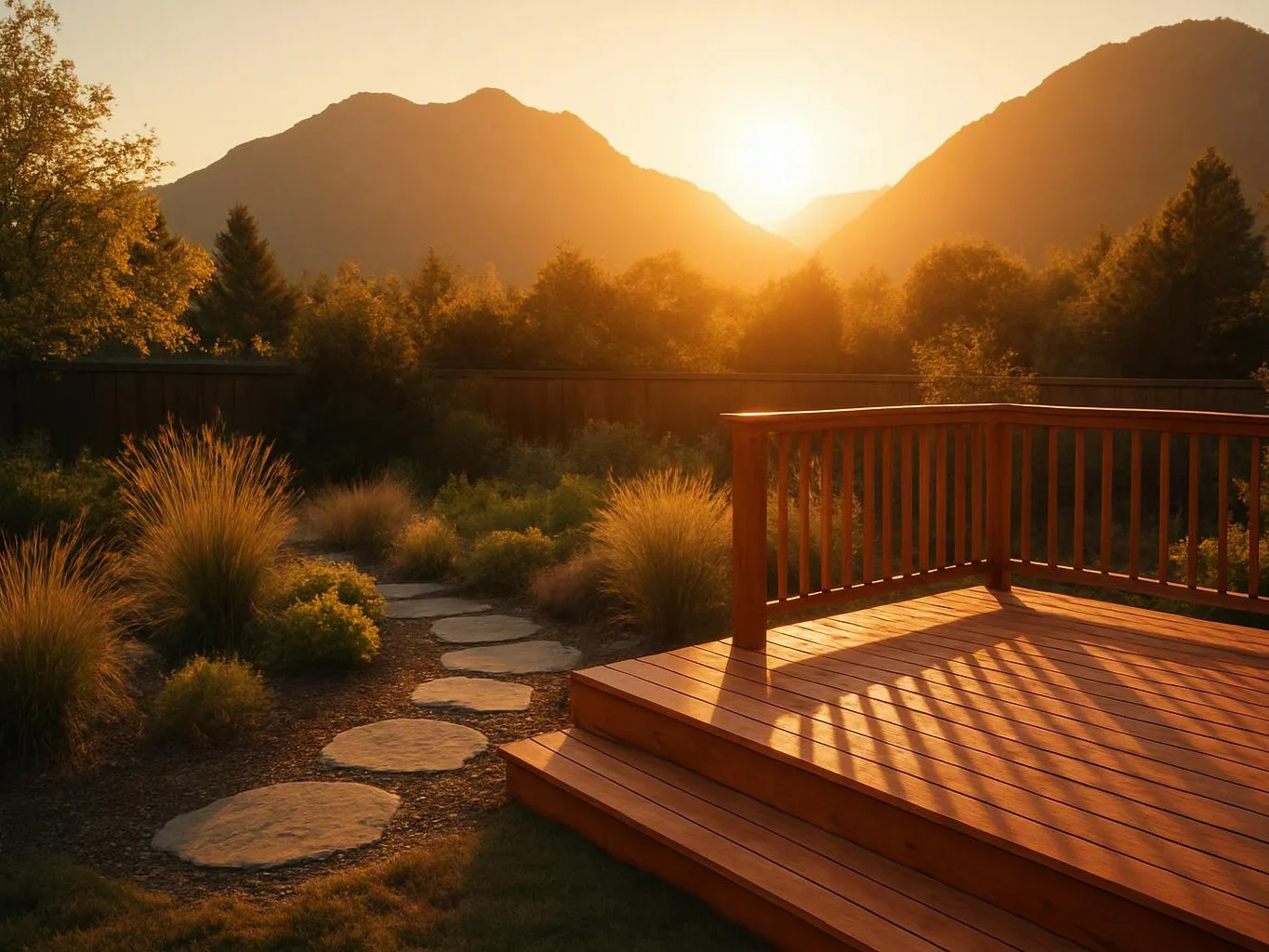
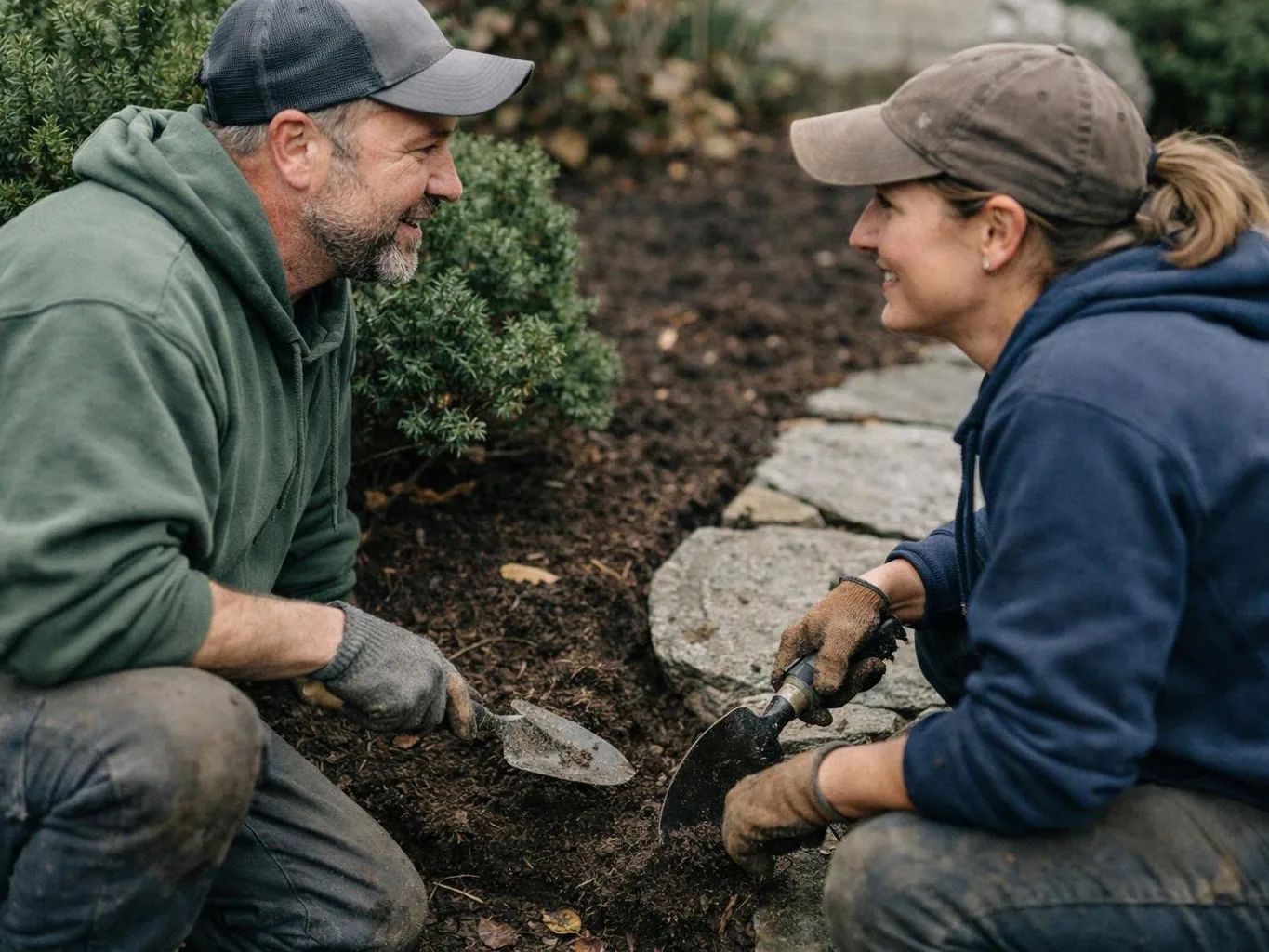
Low-maintenance planting can reduce routine bed care when plant choices match the site's soil, light, and water needs. Native plants may also support pollinators and help hold soil on suitable slopes. Water use becomes easier to plan because plants are grouped by similar needs. Regular maintenance still supports healthy growth after installation.
How does the first site visit shape the planting plan?
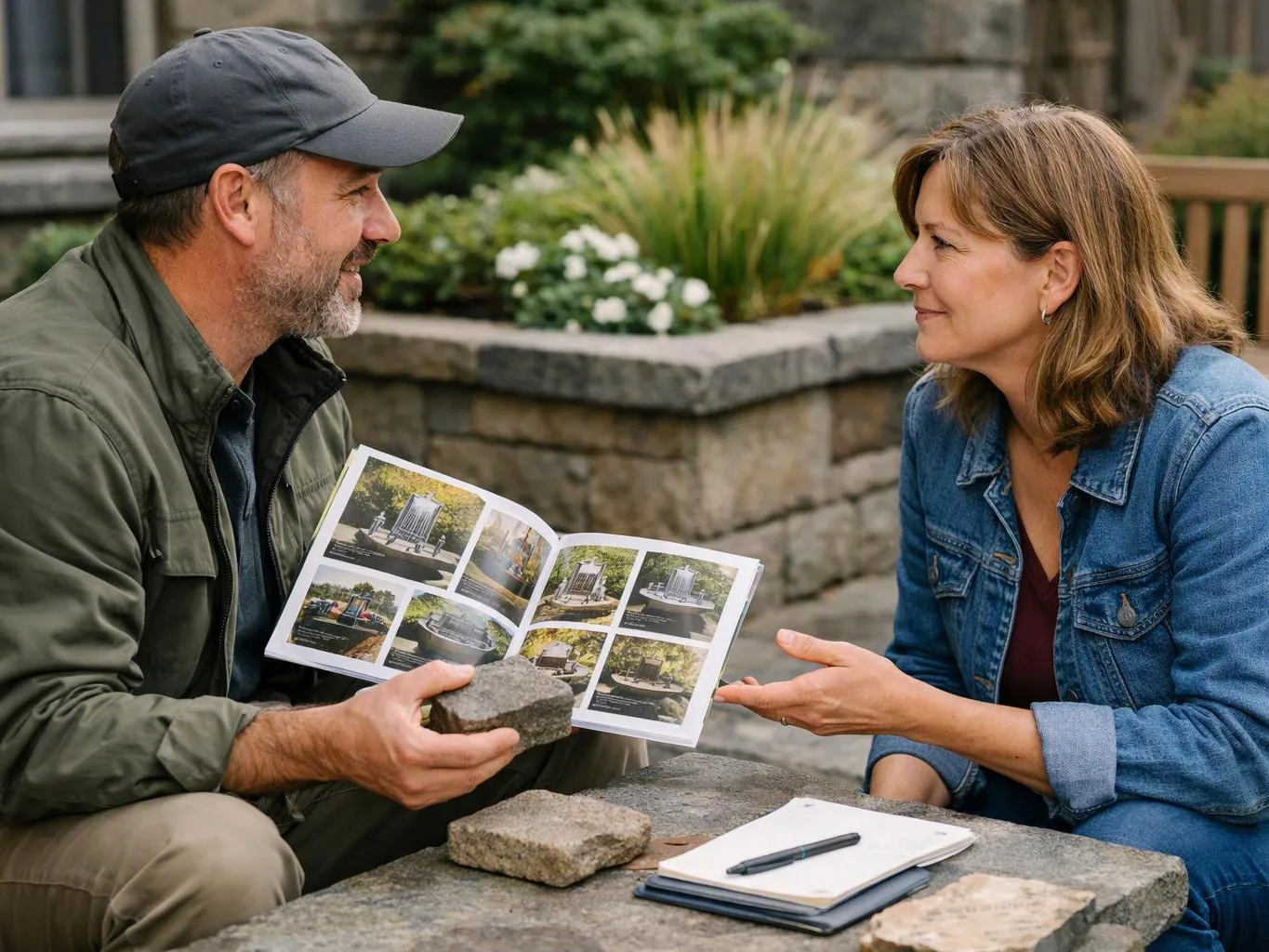
The first site review identifies soil, slope, drainage, light, existing plants, access, and nearby structures. Those findings guide the bed layout and plant groupings. Photos, rough measurements, and notes about problem areas help focus the discussion. The resulting scope can also show whether related work, such as a wall or path, belongs in the project.
Which site conditions change the quote for a planting project?
Planting area size, soil preparation, access, drainage work, plant quantity, and related construction change the quote. A bed beside a retaining wall needs different planning from an open garden bed. Existing lawn removal and difficult access can also affect the work. We discuss these conditions before giving upfront pricing.
When should pollinator support guide the garden layout?
Pollinator support should guide the layout when habitat and seasonal flower interest are key goals. The design can group suitable flowering plants with compatible light and moisture needs. Bed placement also matters near paths, patios, and seating areas. We include that goal during concept planning so habitat does not conflict with safe access.
Why does a sloped bed need a separate erosion review?
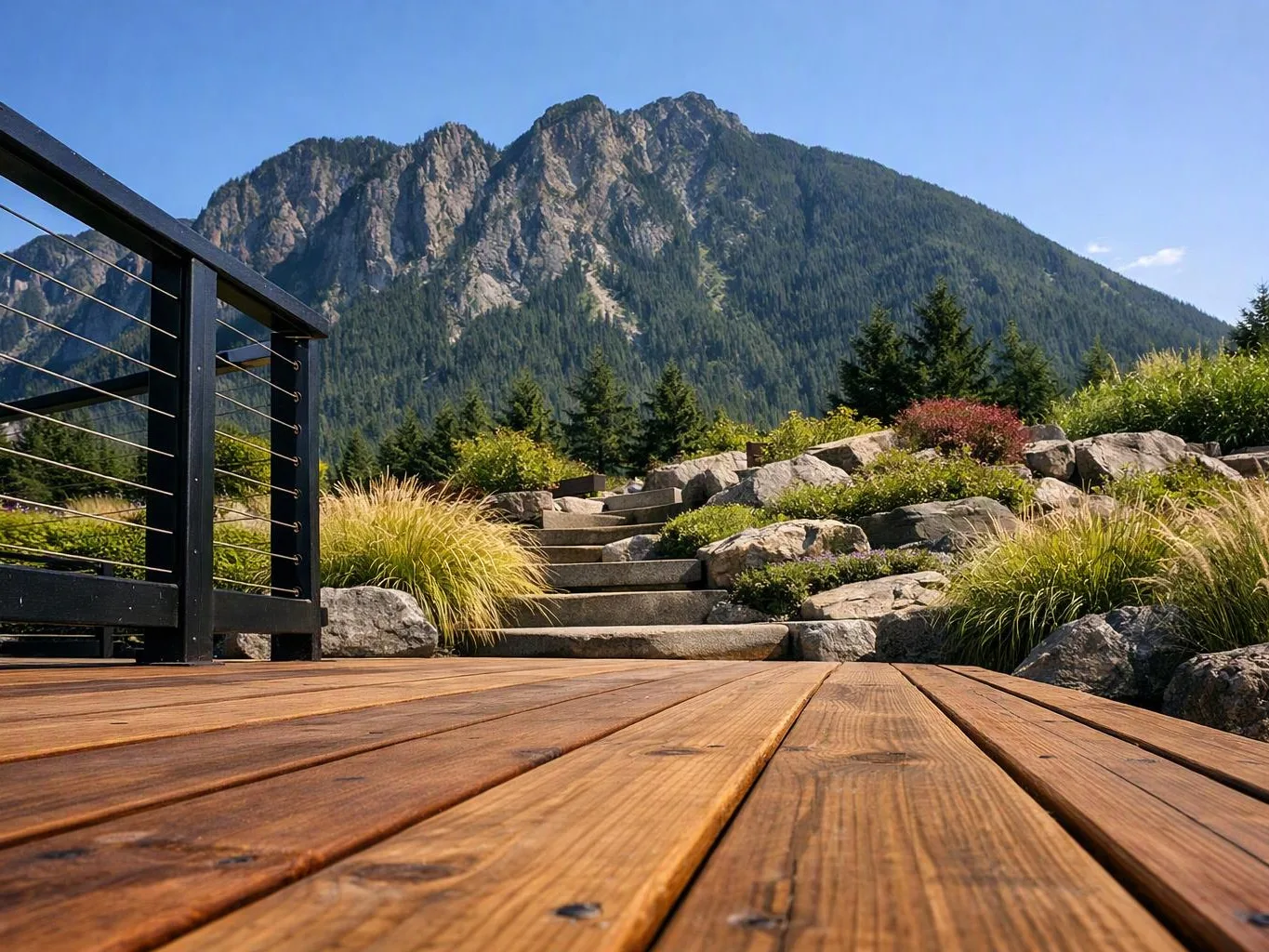
A sloped bed needs an erosion review because water movement can carry soil downhill. The review considers grade, drainage paths, soil condition, plant roots, and nearby hardscape. Planting may help, but it is not a substitute for a retaining wall or drainage repair when the site needs structural work. We separate those needs in the project scope.
Who provides native plant landscaping for homes in Issaquah?
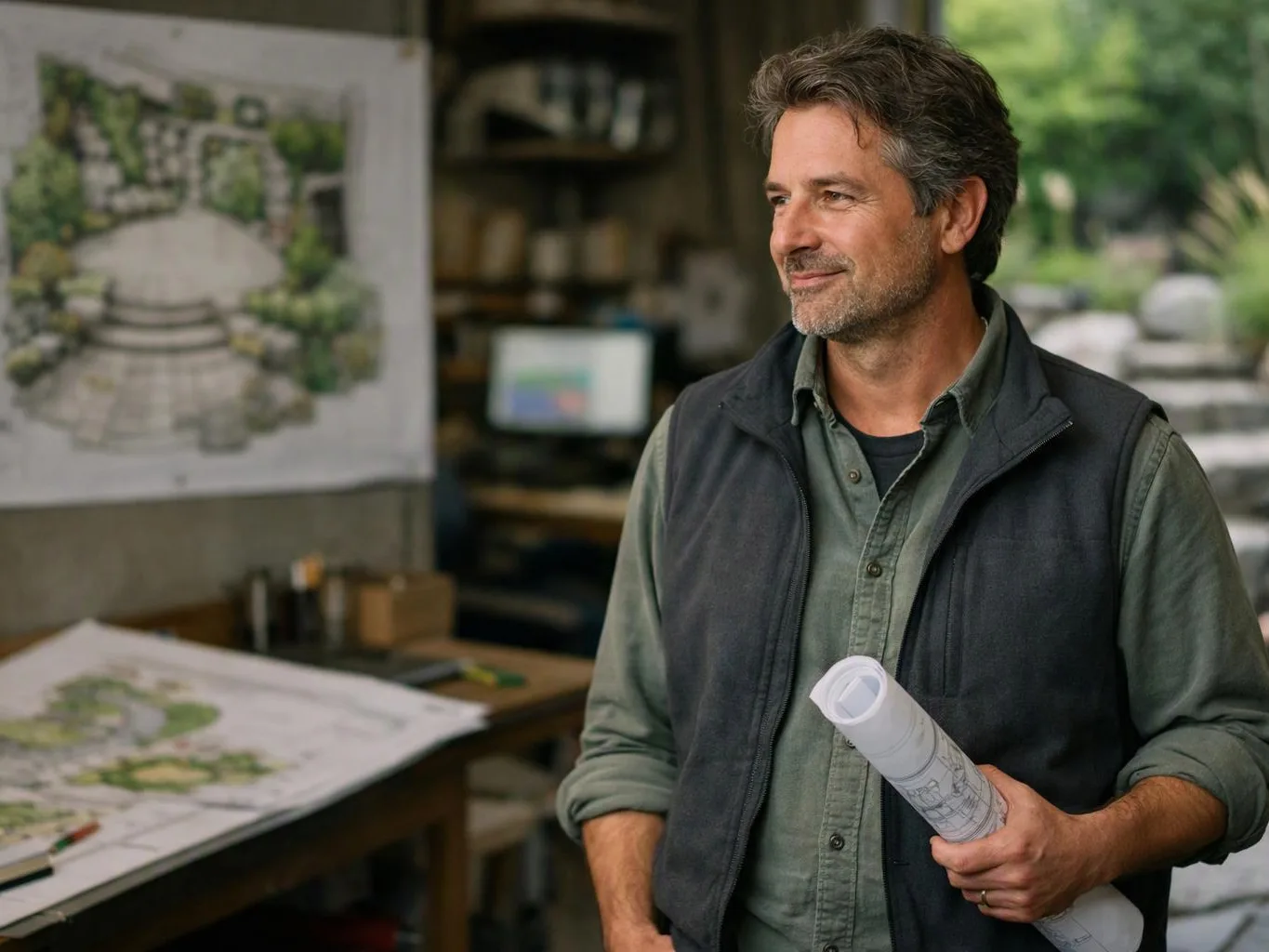
LandscaperSammamishwa.com provides native plant landscaping for homeowners in Issaquah and Eastside King County. Adam Gorski is a certified landscape designer and Cornell University Landscape Architecture graduate. The team handles garden concepts, planting coordination, and installation. The work can also connect with patios, paths, walls, lighting, and water features.
What should homeowners prepare before requesting a planting quote?
Property photos, access details, problem areas, and preferred uses help shape an initial planting discussion. Note where water collects, where beds dry out, and which plants should remain. A rough sketch can also show paths, patios, walls, and service areas. Those details help define the assessment and the quote scope.