Before getting started, what causes yard drainage systems to fail before the first stage starts?
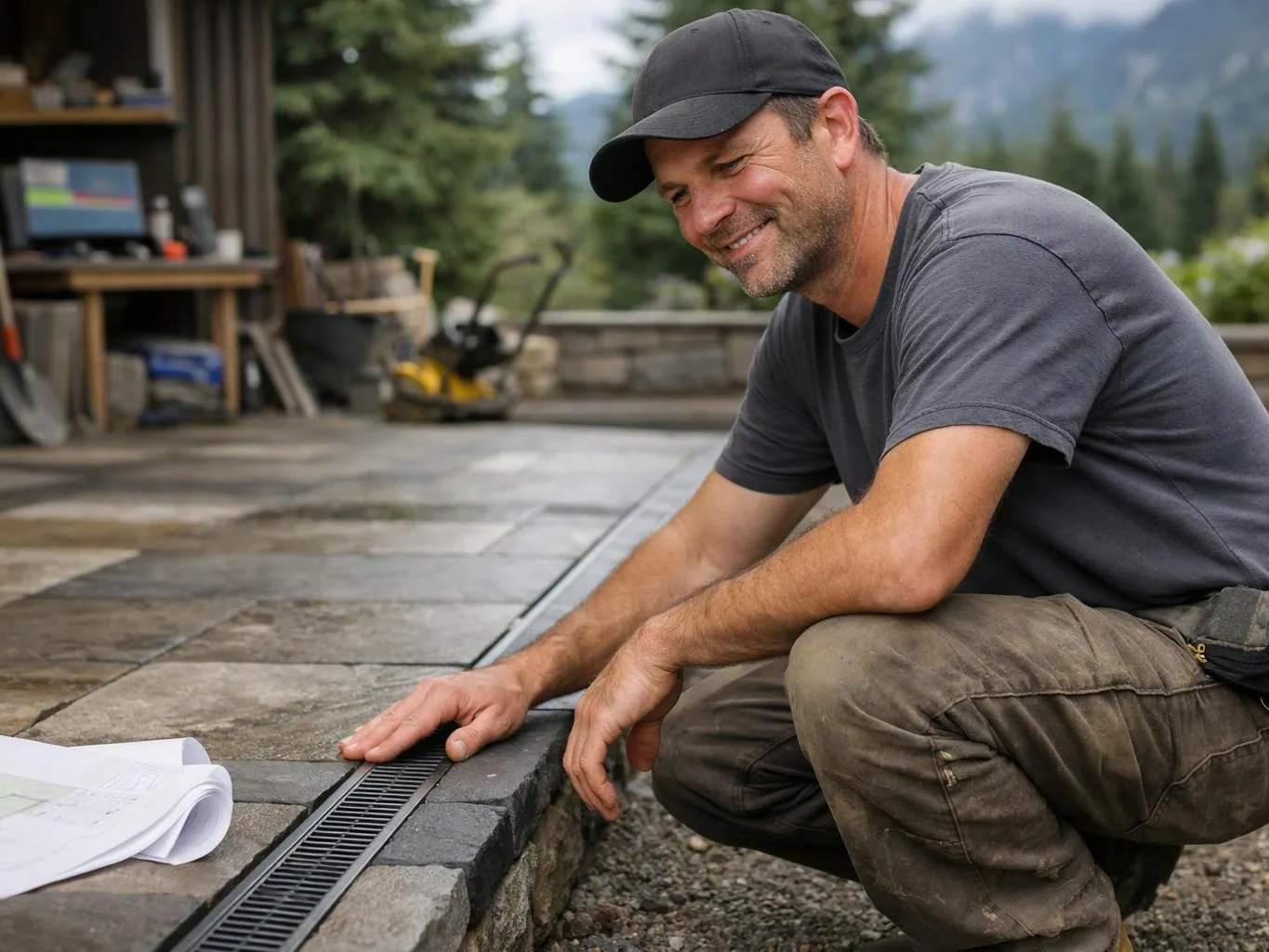
Pipe damage often causes repeated yard drainage failure. Blocked inlets can stop collection, compacted soil can slow surface flow, poor outlets can back water up, and insufficient capacity can overwhelm the system. We trace the route from inlet to discharge point, then explain whether cleaning, repair, or added drainage work fits the site.
How do you match drainage work to a property's layout?
Property layout determines where water collects, which route it can follow, and where an outlet can discharge. We review slope, soil, planting beds, walkways, patios, and existing pipes before setting the scope. The plan must also leave practical access to key parts, so future maintenance doesn't require unnecessary landscape removal.
Which household steps should happen before drainage work starts?
Site access is the main household step before drainage work begins. Please keep affected inlets, walkways, planting beds, and side-yard routes open for review. Photos of wet areas and records of earlier repairs also help. We can then discuss the work area, scheduling needs, and any landscape features that need protection.
Why does clearing an inlet sometimes fail to solve the problem?
Clearing an inlet cannot restore flow when the pipe or outlet remains damaged or blocked. The collection point may look open while soil, roots, or a shifted connection restricts the route farther along. We check the connected path before treating cleaning as the full repair, especially when water returns after the inlet is cleared.
What changes the price of a drainage repair?
The affected pipe route, access, soil condition, outlet work, and related landscape changes drive the price. A short repair near an accessible inlet needs a different scope from work that crosses a patio or planting bed. We review those conditions and provide upfront pricing after the site assessment.
When should a homeowner request a drainage assessment?
A homeowner should request an assessment when standing water returns, an inlet overflows, soil stays saturated, or an outlet stops discharging. Early review helps separate routine maintenance from pipe damage or limited capacity. In Kirkland, we assess the drainage parts alongside the surrounding yard before recommending the next step.
How is drainage work different from grading work?
Drainage work moves water through collection points, pipes, and outlets, while grading changes the surface slope. Some yards need one service, and some need both to manage surface flow. We identify which condition drives the problem before combining drainage with lawn, planting, patio, or retaining wall work.