
What Is Aggregate?
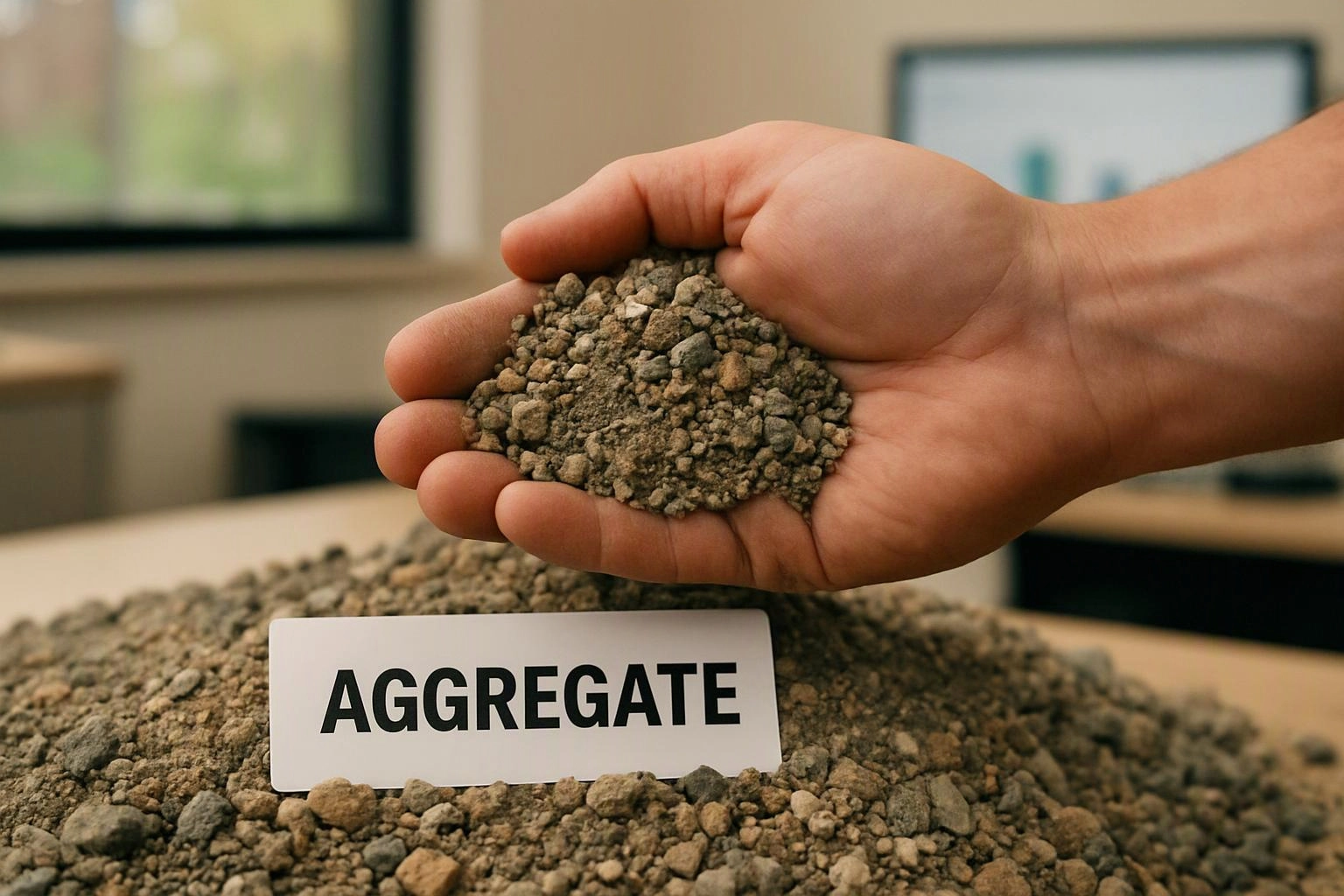
Aggregate is loose mineral material, such as crushed rock, gravel, or sand, used in landscape construction. Paver patio work uses aggregate below and between paving units to support loads, improve drainage, and help create a stable surface. The material’s size, shape, and cleanliness affect how well it performs.
Quick Facts About Aggregate
Category
Landscape construction material
Used for
Patio bases, joints, and drainage layers
Common confusion
Not the same as soil or concrete
Also called
Crushed stone, Gravel
Often discussed with
Paver Patio Installation
Key Takeaways About Aggregate
- Aggregate consists of loose mineral particles.
- Its size affects drainage and surface support.
- Aggregate isn't the same as soil or concrete.
How Aggregate Works

Aggregate works as a compactable layer beneath pavers and as a filling material between them. Crushed stone locks together when compacted, which helps spread weight across the patio base. Open spaces between particles also allow water to move through the layer.
Related glossary terms: Gravel Base, Soil Compaction, Geotextile Fabric.
Different aggregate grades serve different parts of a paver patio. Coarser material forms the base, while finer material can fill small gaps or help level the surface. Clean material contains little dust, so water can pass through more freely.
During installation, the base is spread in even lifts and compacted before pavers are placed. Joint aggregate is brushed into the spaces between pavers after the surface is set. Proper material selection helps the patio resist movement caused by water and changing ground conditions.
Expert Note
When we build a paver patio, we select aggregate for each layer instead of treating all crushed stone as the same. We check the base depth, spread the material evenly, and compact it before placing pavers. We also inspect joints so aggregate fills gaps without covering the paver surface.
Aggregate in Practice: A Real-World Example
A new paver patio may use coarse aggregate beneath the pavers to support foot traffic and move water away. Finer joint aggregate can then fill the spaces between pavers and help keep their edges aligned.
Related Services
Related Terms
Gravel Base
Gravel Base is a compacted layer of crushed stone placed beneath pavers or other hard surfaces…
Soil Compaction
Soil Compaction is the process of pressing soil particles closer together, which reduces open space between…
Geotextile Fabric
Geotextile Fabric is a synthetic textile used in soil and drainage work. The fabric separates soil…
Permeable Pavers
Permeable Pavers are paving units with joints or openings that let rainwater pass into a prepared…
LandscaperSammamishwa.com
Have Questions About Aggregate?
Contact LandscaperSammamishwa.com for practical guidance on Aggregate and related landscape architect company work in North Bend.