
What Is a Berm?
A berm is a raised bank of soil shaped into a long, sloping mound. Landscape grading uses berms to redirect surface water, add height, create planting areas, or screen a view. A berm may stand alone or connect with swales, drainage features, retaining walls, or other changes in ground elevation.
Quick Facts About Berm
Category
Grading feature
Used for
Drainage, screening, planting, and landscape form
Common confusion
A berm is not a vertical retaining wall
Also called
Earth berm, Landscape mound
Often discussed with
Grading Services
Key Takeaways About Berm
- A berm has sloped sides and a raised center.
- Its shape controls water flow and ground elevation.
- A berm is not the same as a retaining wall.
How Berm Works
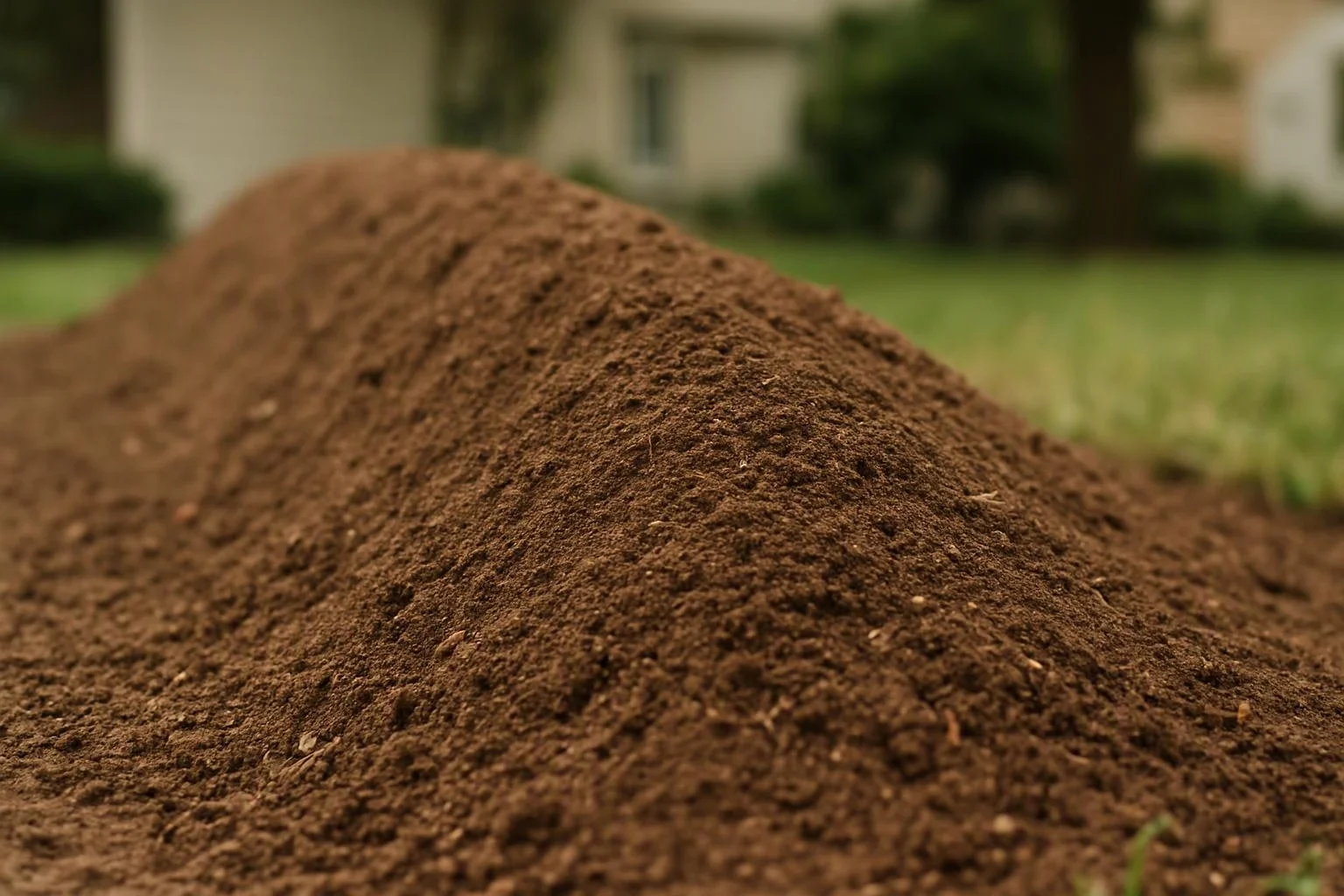
A berm changes the land's shape by placing and compacting soil in a raised form. Sloped sides spread the change in elevation across the yard, so the feature blends into nearby ground. The top may be flat, rounded, or gently crowned.
Related glossary terms: Swale, Slope Stabilization, Soil Compaction.
Grading plans place berms where their shape can guide surface water or create a clear planting area. A berm may work with a swale to direct runoff around a lawn or building. Plants can help hold the soil, while mulch or stone can protect exposed surfaces from washing away.
How Berms Are Used
- Redirect runoff toward an approved drainage area.
- Raise a planting bed above surrounding soil.
- Screen a view with soil and suitable plants.
Expert Note
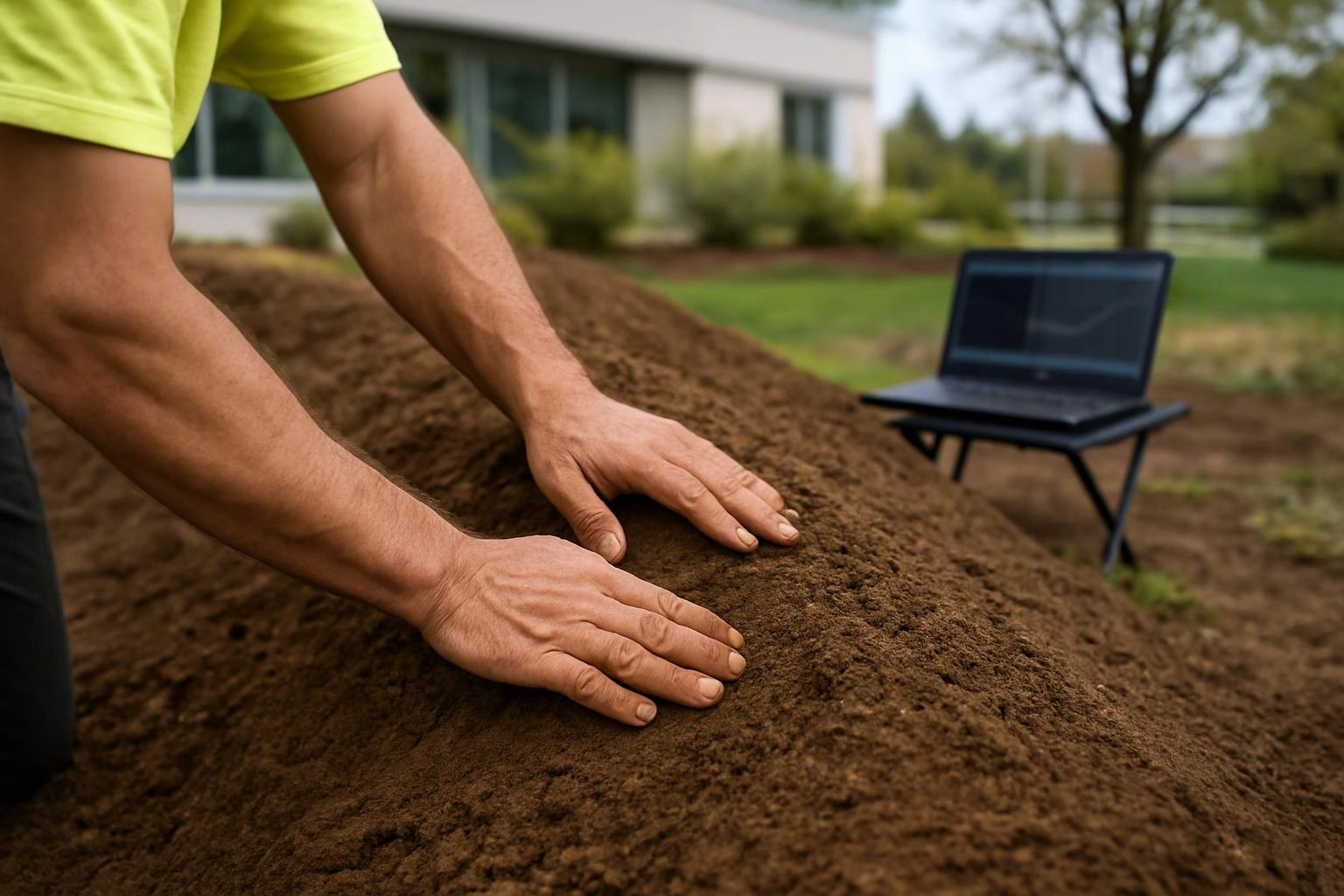
When we plan a berm, we check its slopes, soil placement, and connection to the surrounding grade. Our team also checks where water will travel during wet weather, then adjusts the shape so the berm supports the broader grading plan.
Berm in Practice: A Real-World Example
For a sloped North Bend yard, a berm can shape a planting area beside the lawn and guide runoff toward a planned drainage feature. The mound can also create a lower visual screen along the edge of the property.
Related Services
Related Terms
Swale
A swale is a shallow, sloped channel that guides and slows surface water across a landscape…
Slope Stabilization
Slope Stabilization is the process of keeping sloped soil and rock in place so the ground…
Soil Compaction
Soil Compaction is the process of pressing soil particles closer together, which reduces open space between…
LandscaperSammamishwa.com
Have Questions About Berm?
Contact LandscaperSammamishwa.com for practical guidance on Berm and related landscape architect company work in North Bend.