
What Is Soil Amendment?
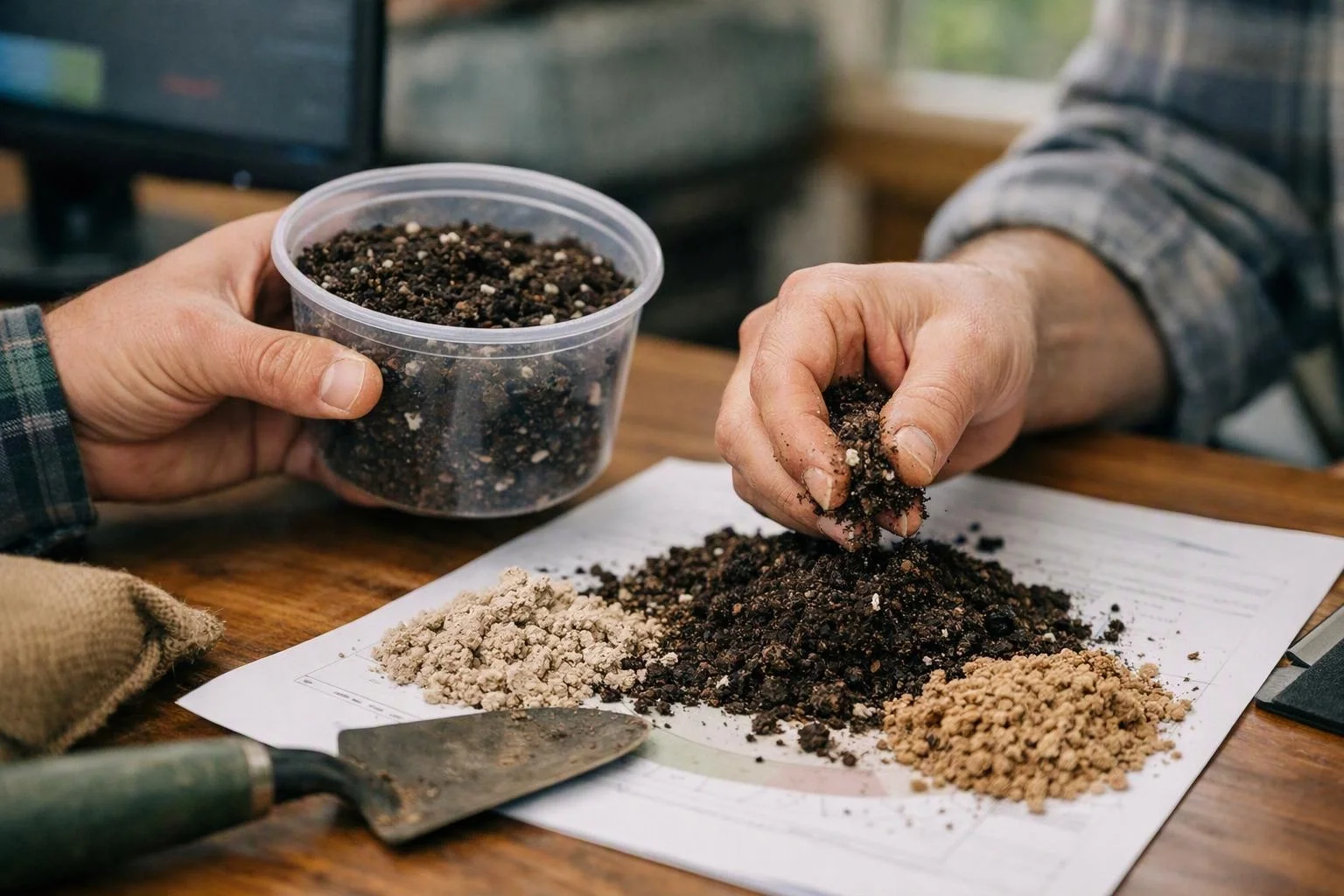
Soil Amendment is material added to existing soil to change its physical condition or nutrient balance. Common examples include compost, aged organic matter, lime, and gypsum. The right amendment depends on the soil’s texture, drainage, plant needs, and existing chemistry. Amendment is mixed into or placed over soil during landscape preparation.
Quick Facts About Soil Amendment
Category
Landscape soil treatment
Used for
Improving planting conditions
Common confusion
Amendment is not the same as fertilizer
Also called
Soil conditioner, Soil improver
Often discussed with
Landscape Consultation
Key Takeaways About Soil Amendment
- Amendments change soil properties instead of forming a separate planting layer.
- The material should match the soil problem and intended planting.
- Compost is one amendment, but soil amendment is the broader category.
How Soil Amendment Works

Soil Amendment works by changing how soil holds water, drains, supports roots, or supplies nutrients. Compost can add organic matter to heavy or depleted soil. Other materials can adjust soil structure or chemical balance.
Related glossary terms: Compost, Soil Compaction, Turf.
Landscape professionals choose an amendment after looking at the soil and the planned use. A planting bed may need better drainage, while a compacted lawn area may need improved pore space. The material is then blended into the soil or applied at the surface, depending on the site and plants.
Soil Compaction can limit root growth even when soil contains nutrients. An amendment may help, but loosening the ground and correcting drainage may also be needed.
Expert Note
When we discuss soil amendment during Landscape Consultation, we look at drainage, texture, compaction, and the plants planned for the area. We connect the amendment choice to the site conditions, so the treatment addresses a clear soil concern instead of adding material by habit.
Soil Amendment in Practice: A Real-World Example
During a Landscape Consultation for a new planting bed, we may find dense soil that holds water after rain. The plan could call for suitable organic matter and improved grading so roots have better growing conditions.
Related Services
Related Terms
Compost
Compost is a dark, soil-like material made from decomposed organic matter, such as plant waste. Gardeners…
Soil Compaction
Soil Compaction is the process of pressing soil particles closer together, which reduces open space between…
Turf
Turf is a ground covering made from living grass, synthetic grass, or both in related landscape…
Rain Garden
Rain Garden is a planted depression that collects stormwater from roofs, driveways, or other hard surfaces…
LandscaperSammamishwa.com
Have Questions About Soil Amendment?
Contact LandscaperSammamishwa.com for practical guidance on Soil Amendment and related landscape architect company work in North Bend.