For Garden Design, which elements matter most when planning a productive garden?
Compost systems, raised beds, crop rotation, irrigation lines, and sun exposure shape a productive garden plan. Access matters too, because you need room to plant, water, harvest, and maintain each area. We review these parts together before setting the layout. The plan then shows which work belongs in planting, construction, or future maintenance.
How does the first garden planning meeting work?
The first meeting covers your goals, the existing site, and the work you want the garden to support. We discuss planting areas, paths, soil, water access, and related features. Photos or existing plans can help explain the property, but the design still needs a clear discussion of use and access. The next step is a defined scope for the quote.
What changes the quote for a productive garden?
The garden layout, bed construction, soil work, irrigation needs, plant choices, and access shape the quote. A simple planting plan has a different scope from a garden tied to walkways, retaining walls, patios, or lighting. We review each requested element before preparing upfront pricing. That approach gives you a quote tied to the work you want.
Can garden planning include patios and walkways?
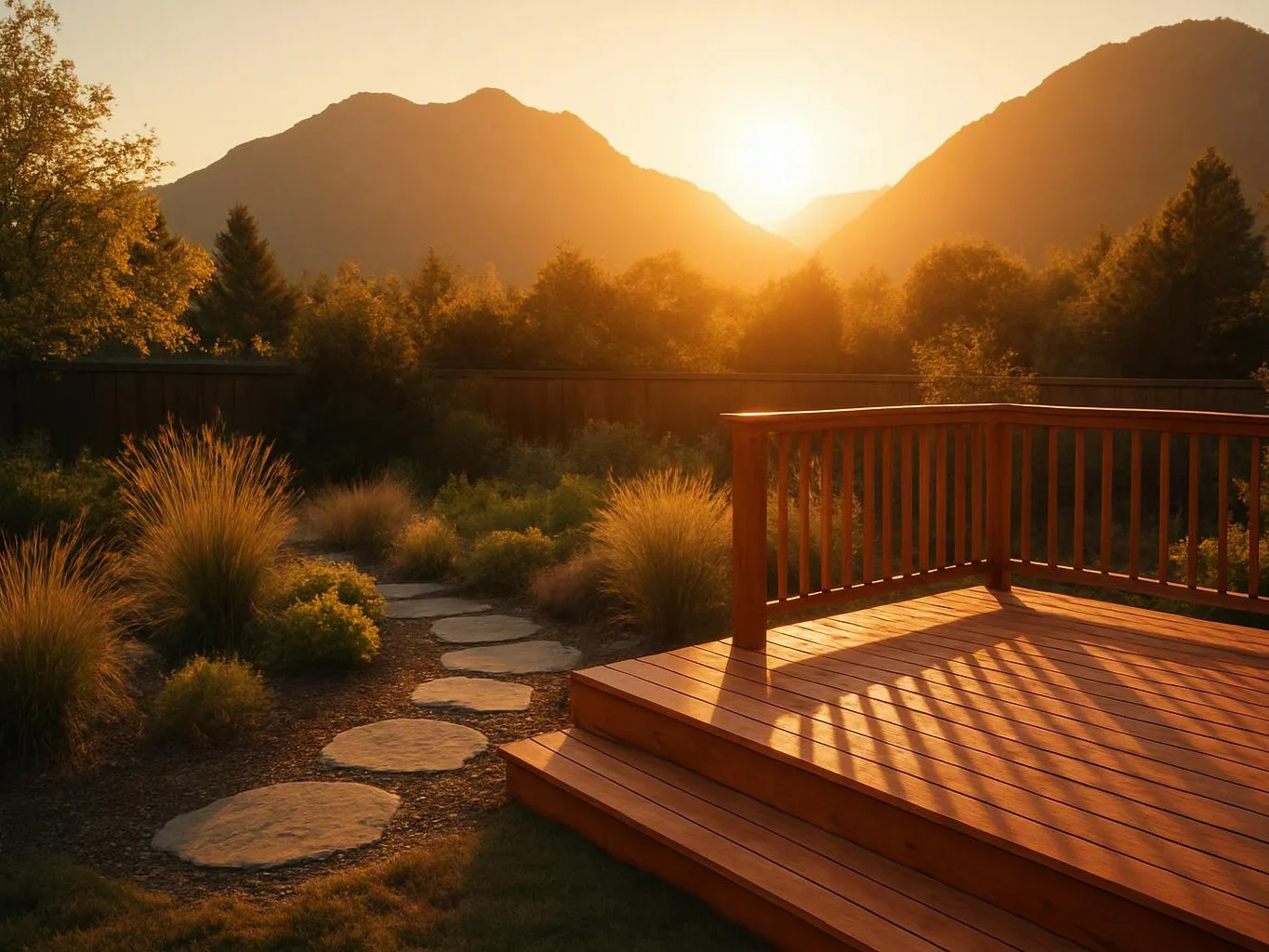
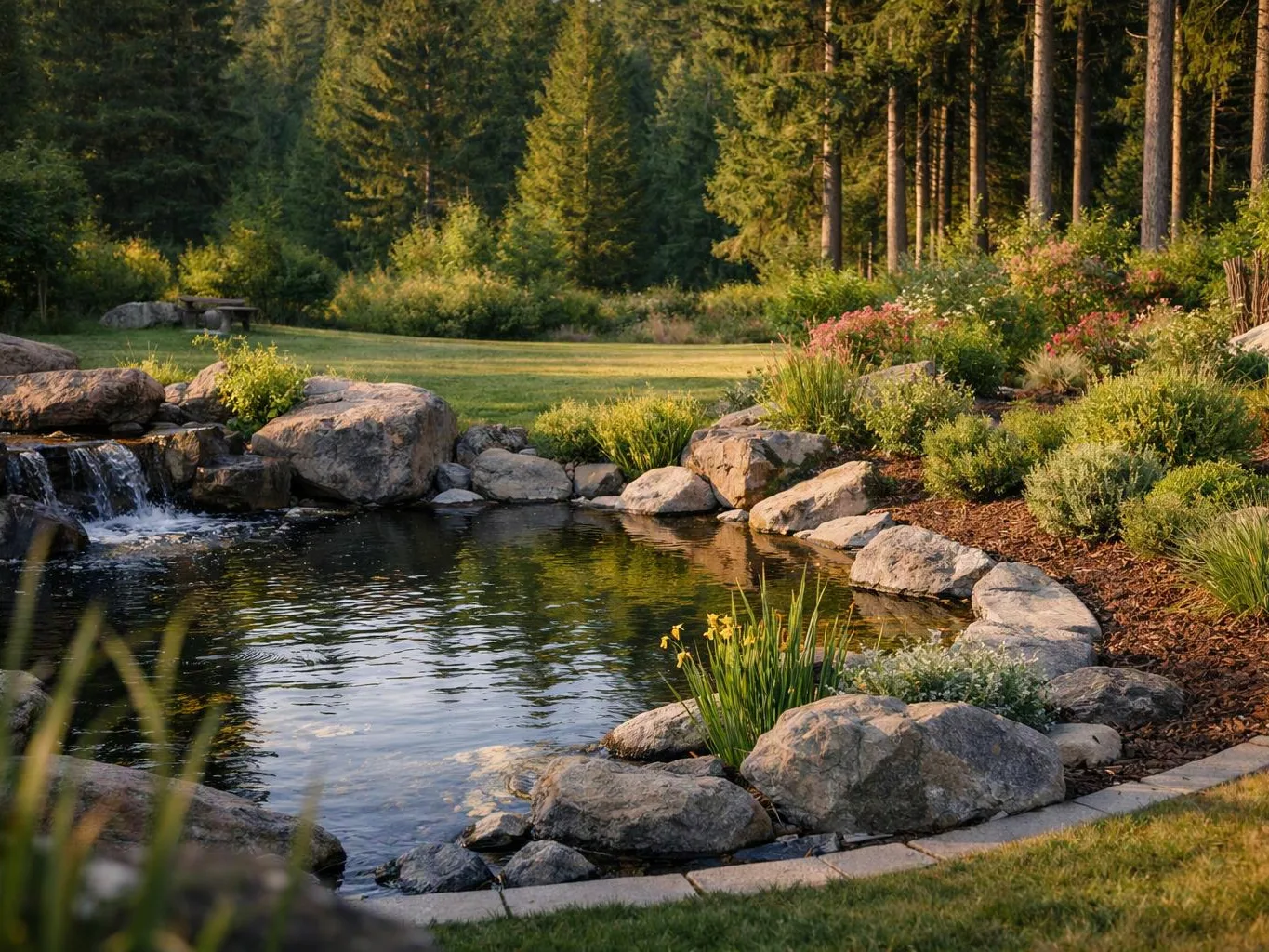
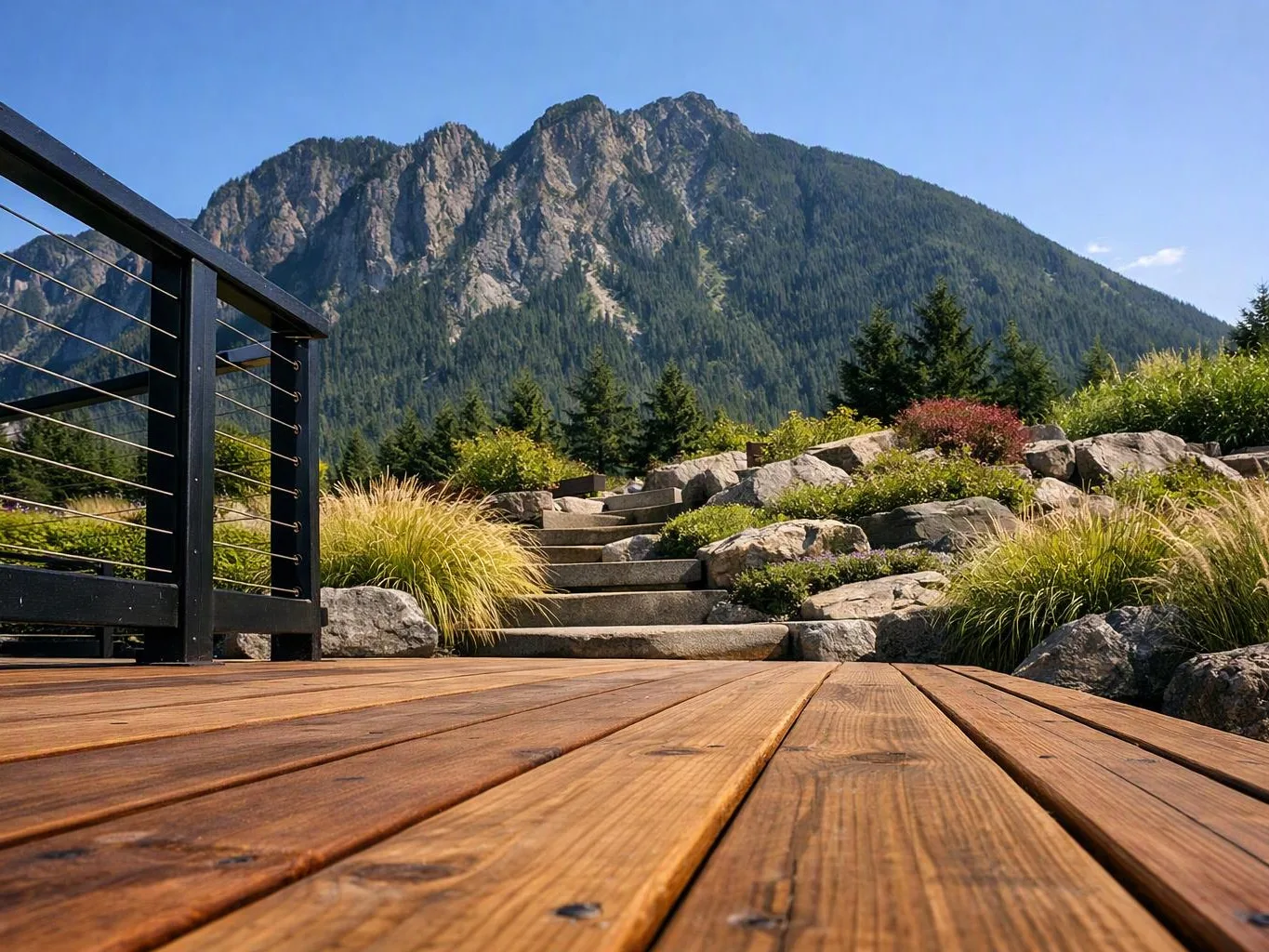
Yes, garden planning can connect planting areas with patios, walkways, retaining walls, lighting, and water features. The layout needs to account for circulation, surface transitions, bed access, and future maintenance. We can carry the selected design into installation as one outdoor project. The final scope depends on which connected features you choose.
When should I choose garden planning instead of routine maintenance?
Garden planning fits a property that needs a new layout, new beds, planting changes, or better water access. Routine maintenance fits established areas that only need ongoing care such as pruning, weeding, or seasonal cleanup. A planning visit helps separate those needs. We can then focus the quote on design, installation, maintenance, or a combination.
Why do raised beds need a plan before construction?
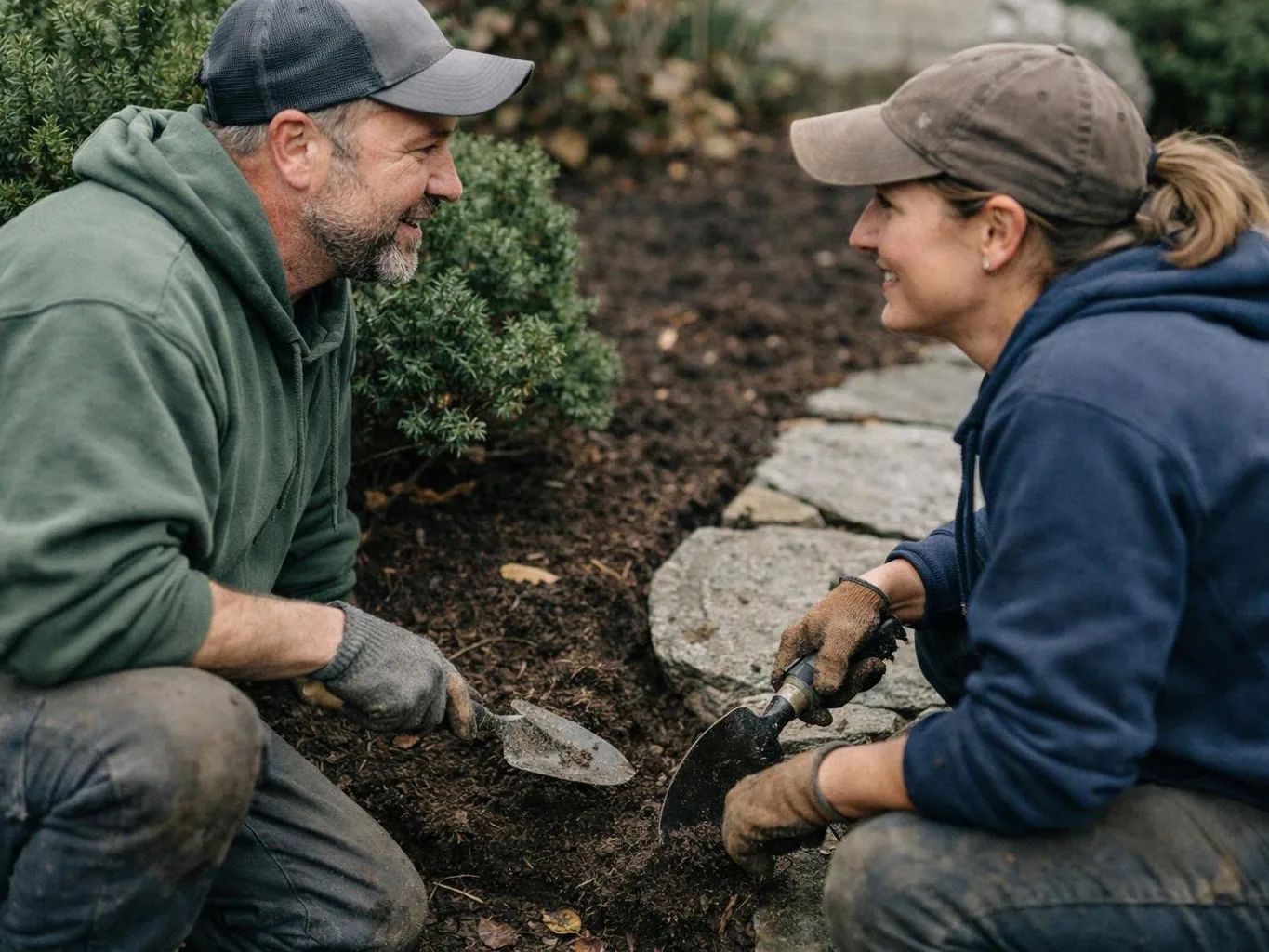
Raised beds need a plan so their size, location, soil depth, paths, and irrigation access work together. Poor placement can make planting and harvest difficult, even when the beds look attractive. We also consider crop rotation and sun exposure before selecting the layout. That review keeps construction tied to how you will use the garden.
Who provides garden planning and installation for this service?
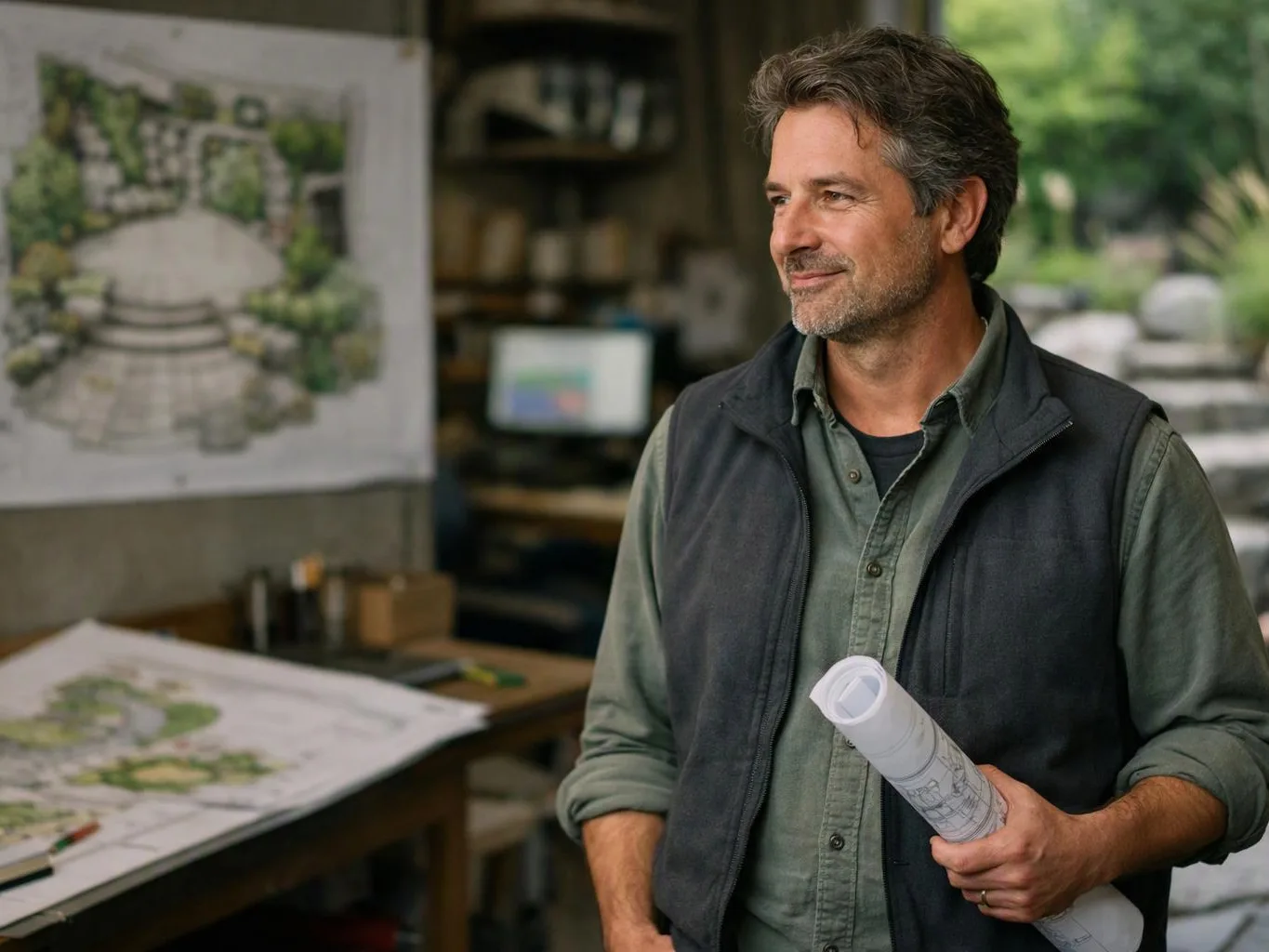
LandscaperSammamishwa.com provides garden planning and installation through Adam Gorski Landscapes. Adam is a certified landscape designer and Cornell University Landscape Architecture graduate. Our trained team supports projects from design through installation. We also plan related plantings, paths, patios, retaining walls, lighting, and water features when they belong in the same outdoor project.