How can water sources help pollinators and beneficial wildlife?
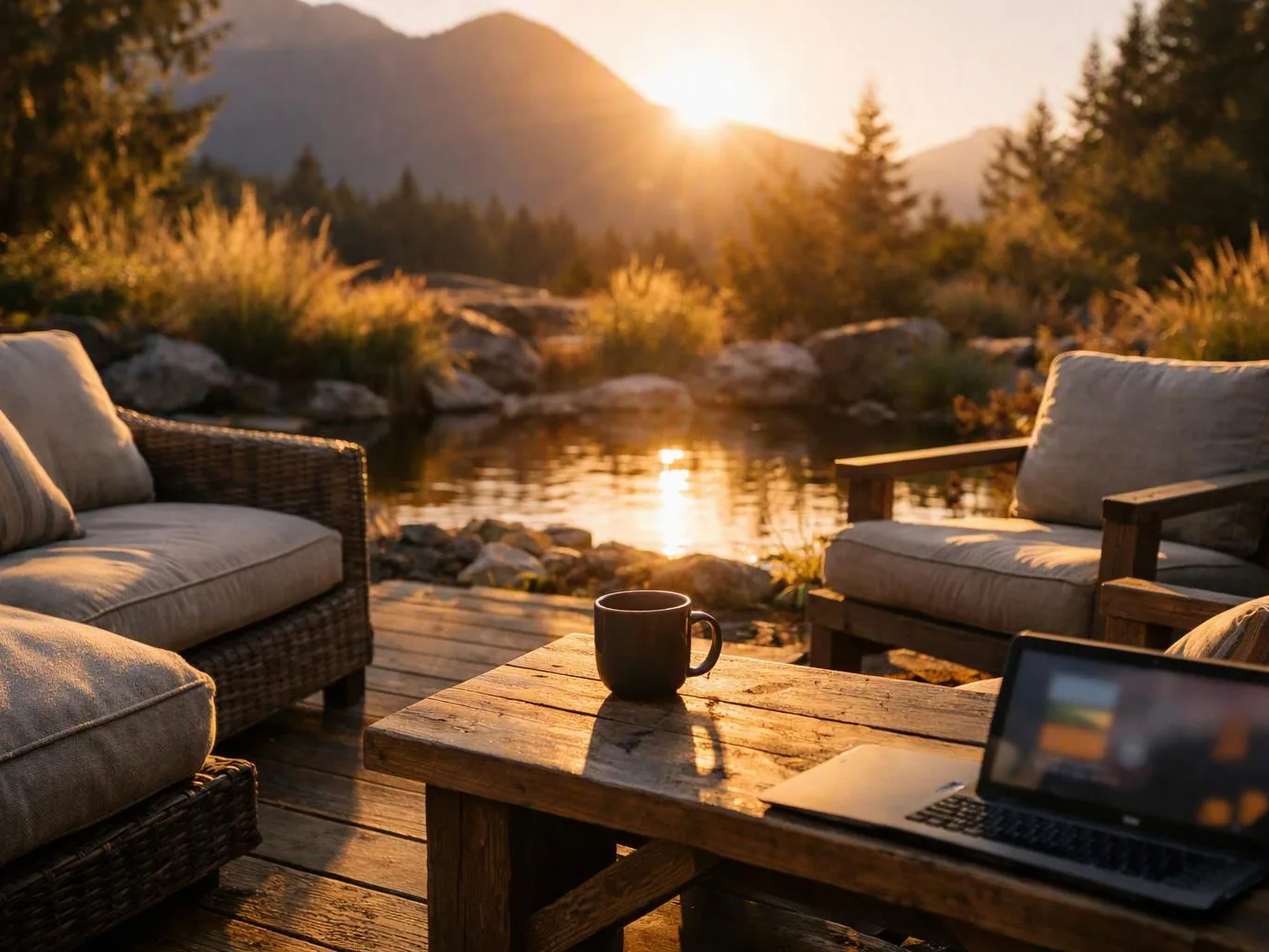
Water sources support pollinators and beneficial wildlife when the design places them safely near food and shelter. We consider access, drainage, maintenance, and the risk of standing water. Native flowers and host plants should connect with the water feature, not sit as unrelated accents. The plan also considers how people and pets use the garden.
What should I prepare before the first garden design discussion?
Photos, a rough property sketch, and your main garden goals give the design discussion a useful start. Note areas with full sun, shade, standing water, poor growth, or heavy foot traffic. A list of plants you want to keep also helps. We then review the site conditions and discuss the planning scope.
Which plants matter most for a wildlife-supporting garden?
Native flowers and host plants form the core of a wildlife-supporting garden. Native flowers offer nectar and pollen, while host plants support insect development. The right mix depends on light, soil, drainage, space, and maintenance. We can also retain useful existing plants when they fit the new layout.
When is garden design a better fit than routine maintenance?
Garden design fits a property that needs a new layout, planting direction, or habitat plan. Routine maintenance fits an established garden that mainly needs mowing, pruning, weeding, or seasonal cleanup. Design comes first when plant placement, paths, shelter, or outdoor use need a larger decision. Maintenance then helps protect the plan.
Why do some pollinator gardens still attract unwanted pests?
Plant stress, poor placement, limited habitat balance, and unsuitable species can increase pest problems. A garden plan reviews soil, drainage, light, plant health, and the mix of flowers and host plants. We also discuss maintenance choices that support pesticide reduction. Severe plant damage may need a separate diagnosis before design work proceeds.
How does the design process account for an existing patio or walkway?
Existing patios and walkways shape bed edges, access routes, sight lines, and plant placement. We map these features before setting the planting concept. Mature plants, retaining walls, lighting, and drainage also affect the layout. The plan can guide garden changes while keeping the property’s useful circulation clear.
What changes the quote for a habitat-focused garden plan?
The quote reflects site complexity, planting scope, existing conditions, habitat features, and any related installation work. A small planting revision differs from a full garden layout linked to paths, walls, or a patio. We discuss the requested scope first, then provide upfront pricing for the work being considered.