Landscape Architect or Landscape Designer: Which Should You Hire?
A landscape architect suits complex sites, major grading, drainage, or regulated design needs, while a landscape designer fits planting plans, outdoor layouts, and residential improvements. LandscaperSammamishwa.com helps you match the design scope to your project goals and request a tailored quote.
Written by Adam Gorski · 29 years of local experience
Request an EstimateWritten by Adam Gorski
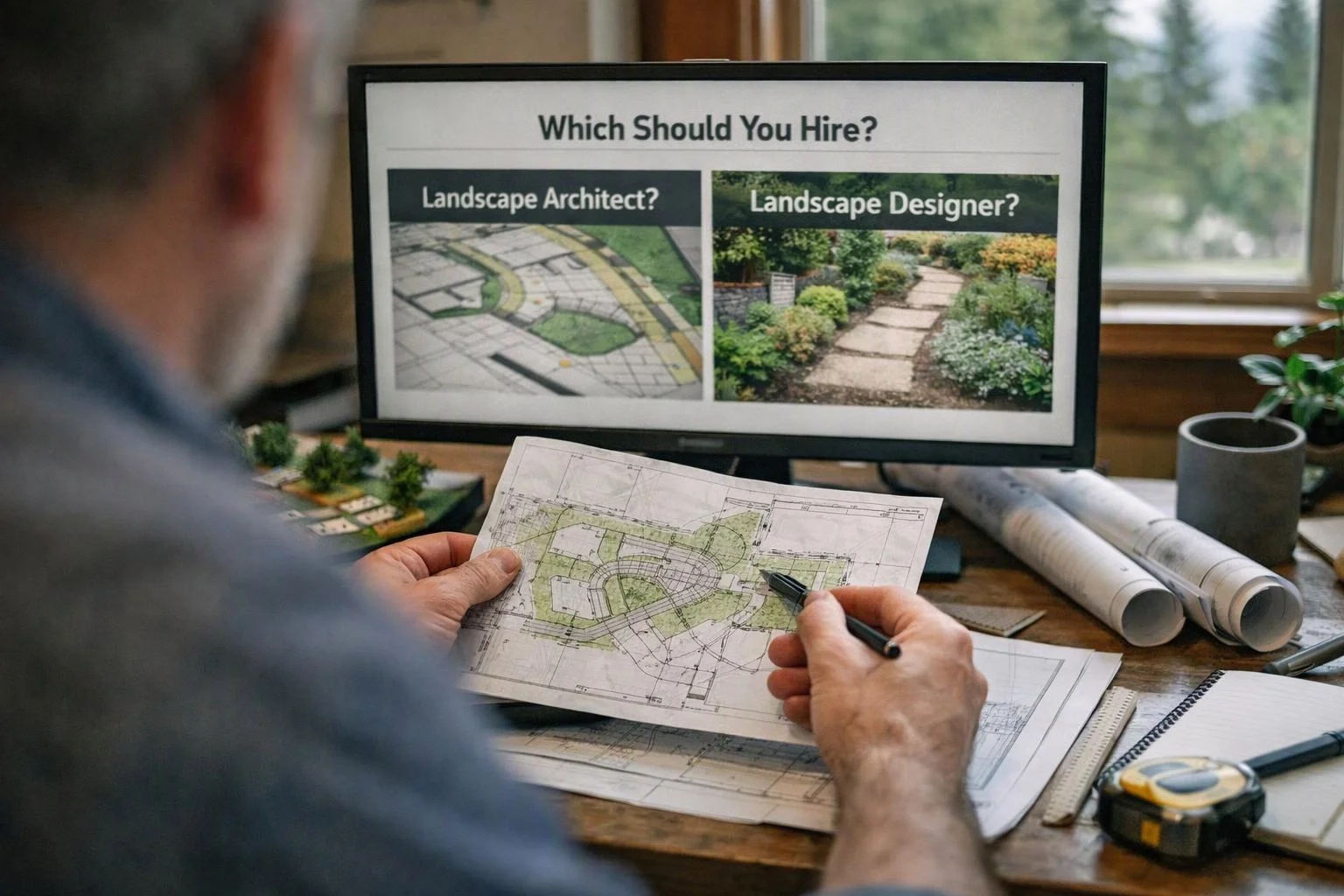
A landscape architect and a landscape designer are compared by project scope, technical needs, cost drivers, and best use. Our team helps you review the work involved before preparing a design plan and project quote.
Quick Picks
Both options can improve an outdoor space, but their roles differ. The right choice depends on your site conditions, design goals, and technical needs.
- Landscape architect: Best for complex site planning, grading, drainage, structural features, and regulated work.
- Landscape designer: Best for planting design, garden layout, outdoor living areas, and practical residential improvements.
What’s the Difference Between a Landscape Architect and Landscape Designer?
A landscape architect handles broader site planning and technical design, while a landscape designer focuses on outdoor layouts, planting, and practical landscape improvements.
A landscape architect may study grades, drainage paths, access, and permit requirements. A landscape designer usually develops a design plan around plant selection, garden layout, patios, and outdoor living areas.
The titles can overlap across the industry. We recommend choosing based on the project scope and deliverables you need.
Landscape Architect vs Landscape Designer at a Glance
The better choice depends on site complexity, technical requirements, desired design detail, and long-term maintenance needs. The table below shows how the roles usually differ.
| Factor | Landscape Architect | Landscape Designer | Best Fit |
|---|---|---|---|
| Project scope | Complex site planning and technical work | Outdoor layouts and planting plans | Choose by site needs |
| Cost drivers | Survey work, technical drawings, grading, drainage, and review | Design detail, plant selections, and installation scope | Depends on deliverables |
| Project timeline | May require more review and coordination | Often follows a simpler design process | Depends on project complexity |
| Maintenance | Can include maintenance planning for complex sites | Often focuses on plant care and practical upkeep | Match the plan to your routine |
| Best-fit project | Complex terrain, regulated work, and major construction | Home gardens, planting beds, patios, and landscape refreshes | Base the choice on risk and scope |
What Does a Landscape Architect Do?
A landscape architect is a design professional who plans outdoor spaces with site, grading, drainage, and regulatory needs in mind.
Landscape architecture can include site analysis, construction documents, grading plans, drainage layouts, and retaining wall details. The work may also support permit review and coordination with other design services.
Complex projects need clear technical drawings. Those drawings help the landscape contractor understand construction details and installation requirements.
Advantages of Hiring a Landscape Architect
Best for: projects where technical risk matters as much as appearance.
When a Landscape Architect Is the Best Fit
A landscape architect is the best fit when complex terrain, large-scale development, drainage challenges, public-facing sites, or regulated work shape the project.
We also recommend this path when the design needs formal construction documents or coordination with engineering and permit requirements. A licensed professional should handle work that falls under local code or inspection rules.
What Does a Landscape Designer Do?
A landscape designer is a design professional who develops outdoor layouts, planting plans, and visual improvements for usable, attractive spaces.
Landscape design can support residential landscape design and commercial landscape design. The work may include plant selection, outdoor living areas, site furnishings, patios, and planting beds.
Our team can shape a design around how you use the property. We can also connect the design to an installation plan through our landscape designer service.
Advantages of Hiring a Landscape Designer
Best for: property owners who need practical design direction and attractive outdoor improvements.
When a Landscape Designer Is the Best Fit
A landscape designer is the best fit for home gardens, planting beds, patios, privacy planting, and landscape refreshes.
This option also suits projects where the main goal is better outdoor usability. We can focus the design on plant selection, hardscape placement, and long-term maintenance.
How Do Landscape Architect and Landscape Designer Costs Compare?
Landscape architect work often costs more when a project needs technical plans, complex site analysis, or regulatory coordination, while landscape designer costs depend more on design scope and site details.
A design fee may reflect the survey requirements, site complexity, technical drawings, plant selections, and installation scope. A plan with grading or drainage details needs different preparation from a planting-focused design.
We review the property and explain what the project quote includes. Requesting a quote gives you a clearer view of the design deliverables and installation plan.
Which Professional Fits Your Landscape Project?
Choose based on the work your property needs, not on the title alone. A clear project scope makes the decision easier.
Can a Landscape Designer Also Install the Landscape?
Yes, a landscape designer can also coordinate or provide installation when the service includes both design and landscape construction.
Landscape installation may include plant installation, hardscape installation, soil preparation, and finish work. A landscape contractor may complete construction, while a design-build service manages design and installation together.
We explain which parts our team will design, supply, coordinate, and install before work begins. That clarity helps prevent gaps between the design plan and the finished landscape.
How We Turn a Landscape Design Into a Workable Plan
Our landscape consultation starts with a site review and a discussion of your design priorities. We look at how the property is used, what needs improvement, and which site conditions affect the plan.
We then shape the project scope around practical deliverables. Those may include planting design, hardscape planning, drainage considerations, maintenance guidance, and an installation plan.
Our team uses the review to prepare a project quote that reflects the requested work. We explain the design process so you can choose the right level of support.
What Should You Ask Before Hiring a Landscape Design Service?
Ask questions that connect the proposed design to your property, budget drivers, and installation needs. Clear answers help you compare the scope of work without relying on the job title.
Questions About Choosing a Landscape Architect or Designer
What does a landscape contractor do after the design is complete?
A landscape contractor turns approved drawings into built landscape features. The work may include site preparation, planting, hardscape installation, grading, drainage work, and project coordination.
Do landscape designers make planting plans?
Yes, landscape designers commonly make planting plans that show plant selection, placement, spacing, and the overall garden layout.
Can a landscape designer help with commercial properties?
Yes, a landscape designer can help with commercial landscape design when the project focuses on planting, outdoor usability, site furnishings, and visual improvements.
What should a landscape design consultation include?
A landscape design consultation should include a site review, project goals, site conditions, desired deliverables, installation needs, and maintenance expectations.
Tell us about your property and the outdoor space you want to improve.
Request a landscape consultation