Why Landscape Plants Wilt, Yellow, or Keep Dying
Landscape plants often wilt, turn yellow, or keep dying when poor drainage leaves roots starved of air or causes root damage. At LandscaperSammamishwa.com, we check soil moisture, drainage patterns, plant roots, and site conditions before recommending a solution. These checks help separate watering issues from deeper planting problems.
Written by Adam Gorski · 29 years of local experience
Request an Estimate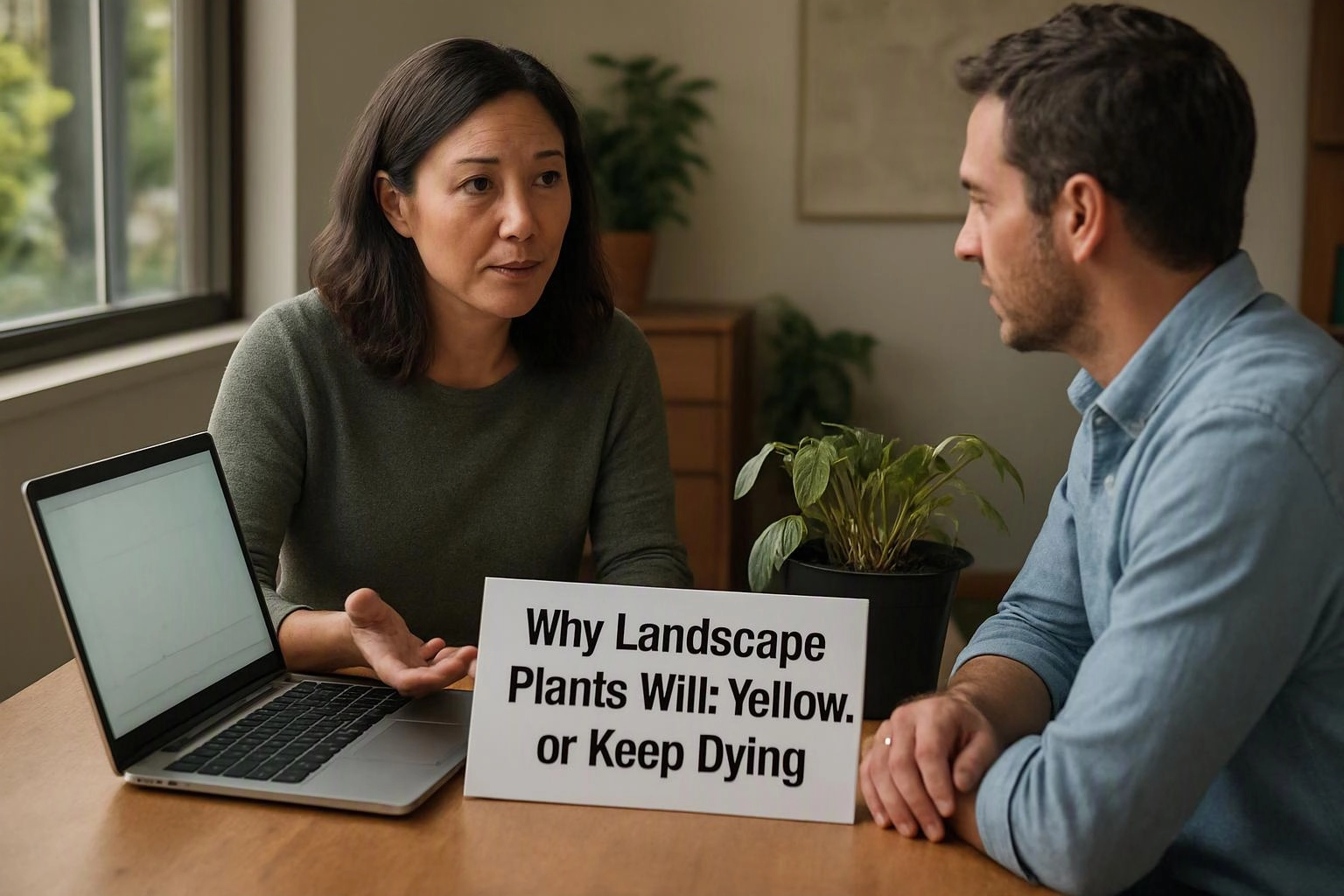
Written by Adam Gorski
What Poor Drainage Does to Landscape Plants
Poor drainage keeps plant roots in wet soil, where limited oxygen can cause stress, decline, and root damage.
Waterlogged soil fills the spaces that should hold oxygen. Plant roots need that oxygen to stay active and absorb water and nutrients.
When roots remain wet for too long, root stress can spread through the plant. Leaves, stems, and new growth may then show signs of decline.
Warning Signs Your Landscape Plants May Have Poor Drainage
Wilting, yellow leaves, and repeated plant death can point to a drainage problem. These signs need context because watering habits, disease, and plant selection can cause similar symptoms.
Why Plants Wilt in Wet Soil
Plants can wilt in wet soil because damaged or oxygen-starved roots can't absorb water normally.
Wet soil can block oxygen from reaching the root zone. Root damage can then reduce water uptake, even when moisture surrounds the roots.
Wilting plants may also show weak stems or poor new growth. We look at soil moisture and root health together before changing the watering plan.
Why Landscape Plants Turn Yellow and Die
Landscape plants can turn yellow and die when wet roots limit oxygen, nutrient uptake, and healthy new growth.
Yellow leaves can develop when roots cannot support normal nutrient movement. Root stress can also weaken the plant's natural defenses.
Plant decline becomes more likely when wet soil remains around the roots. Replacing leaves or adding fertilizer won't correct the underlying drainage pattern.
Can Poor Drainage Cause Root Rot?
Yes, poor drainage can create wet conditions that support root rot and make plant recovery harder.
Root rot is damage to roots associated with persistently wet soil and fungal pathogens. Damaged roots may struggle to absorb water and support healthy growth.
Plant recovery depends on the root condition and the site conditions. We first identify why the soil stays wet, then assess whether the planting can recover.
Why Plants Keep Dying in the Same Spot
Plants often keep dying in the same spot because the site condition remains unchanged after each replacement.
Soil compaction can slow water movement through a planting bed. A low-lying area can also collect water because of grading and surrounding drainage patterns.
Plant selection matters when a bed stays wet or dries unevenly. A new plant may fail if its needs do not match the root zone and site conditions.
We address repeated plant failure by examining the bed before recommending replacement plants.
How We Check a Landscape Drainage Problem
Our drainage assessment connects visible plant symptoms with soil, grade, and water movement.
Our team uses these findings to separate watering habits from structural drainage issues. The recommendation should address the cause, not only the visible leaves.
What You Can Do Yourself and When to Call Us
You can observe soil moisture and watering habits safely, while deeper site drainage problems need our assessment.
Record where water collects and how the bed changes after watering. Avoid adding more water simply because a plant is wilting.
| Factor | What you can do yourself | What we do |
|---|---|---|
| DIY observation | Look for standing water, soggy soil, and wilted leaves. | We connect these signs to drainage patterns and site conditions. |
| Watering habits | Note when and where you water, and check soil moisture before watering again. | We assess whether watering or slow drainage is driving the symptoms. |
| Site drainage | Watch how water moves through the bed after wet weather. | We review grade, soil compaction, root zones, and water movement. |
| Plant replacement | Delay replacement until the cause of plant failure is clearer. | We match plant selection and planting design to the site. |
Call us when plants keep failing, roots appear damaged, or water remains in the bed. Our team can provide a landscape consultation through LandscaperSammamishwa.com.
How We Plan a Better Planting Solution
We plan a better planting solution by matching the design, drainage, and plant choices to the site.
Our Planting Design process can address bed layout, root space, plant spacing, and water movement. Garden design can also improve how planting areas connect with the rest of the landscape.
Native plant landscaping may suit site conditions when the chosen plants match the soil and moisture pattern. Drainage improvement can support plant recovery when water remains trapped in the root zone.
We explain the recommended work and provide upfront pricing in the quote. The plan may include site-matched plants, planting changes, or drainage work based on our findings.
What Changes the Cost of Fixing a Drainage-Related Plant Problem?
The cost depends on the affected area, soil and drainage conditions, plant replacement needs, and site access; we explain the work in an upfront quote.
A larger affected area can require more preparation and planting work. Soil condition, grading, and the needed drainage work also shape the scope.
Plant replacement changes the quote when damaged plants cannot recover. Site access can affect how our crew reaches the bed and handles materials.
We review these factors during a landscape consultation. Request a quote so our team can explain the recommended work and its cost clearly.
Questions About Wilting and Dying Landscape Plants
Should I keep watering a plant that is wilting in wet soil?
Usually, you shouldn't add water when soil is already wet and the plant is wilting. Check soil moisture first, then call us if the bed stays soggy or the plant keeps declining.
How can I tell if yellow leaves come from poor drainage?
Yellow leaves may come from poor drainage when they appear with wet soil, standing water, slow growth, or repeated plant decline. We check soil moisture, roots, and site conditions together.
Can changing the plant fix a drainage problem?
No, changing the plant alone won't fix a drainage problem that remains in the site. The planting design and drainage pattern need review before selecting a replacement.
What should I check before replacing plants that keep dying?
Check soil moisture, standing water, soil compaction, grading, and the plant's placement before replacing it. These factors can reveal why repeated plant failure keeps happening.