Residential and Commercial Landscape Design: How Project Needs Differ
Residential landscape design focuses on personal use, comfort, and outdoor living, while commercial landscape design serves public or business needs, safety, access, and long-term site performance. At LandscaperSammamishwa.com, we help assess the site, goals, and service needs before planning either project.
Written by Adam Gorski · 29 years of local experience
Request an EstimateAuthor: Adam Gorski
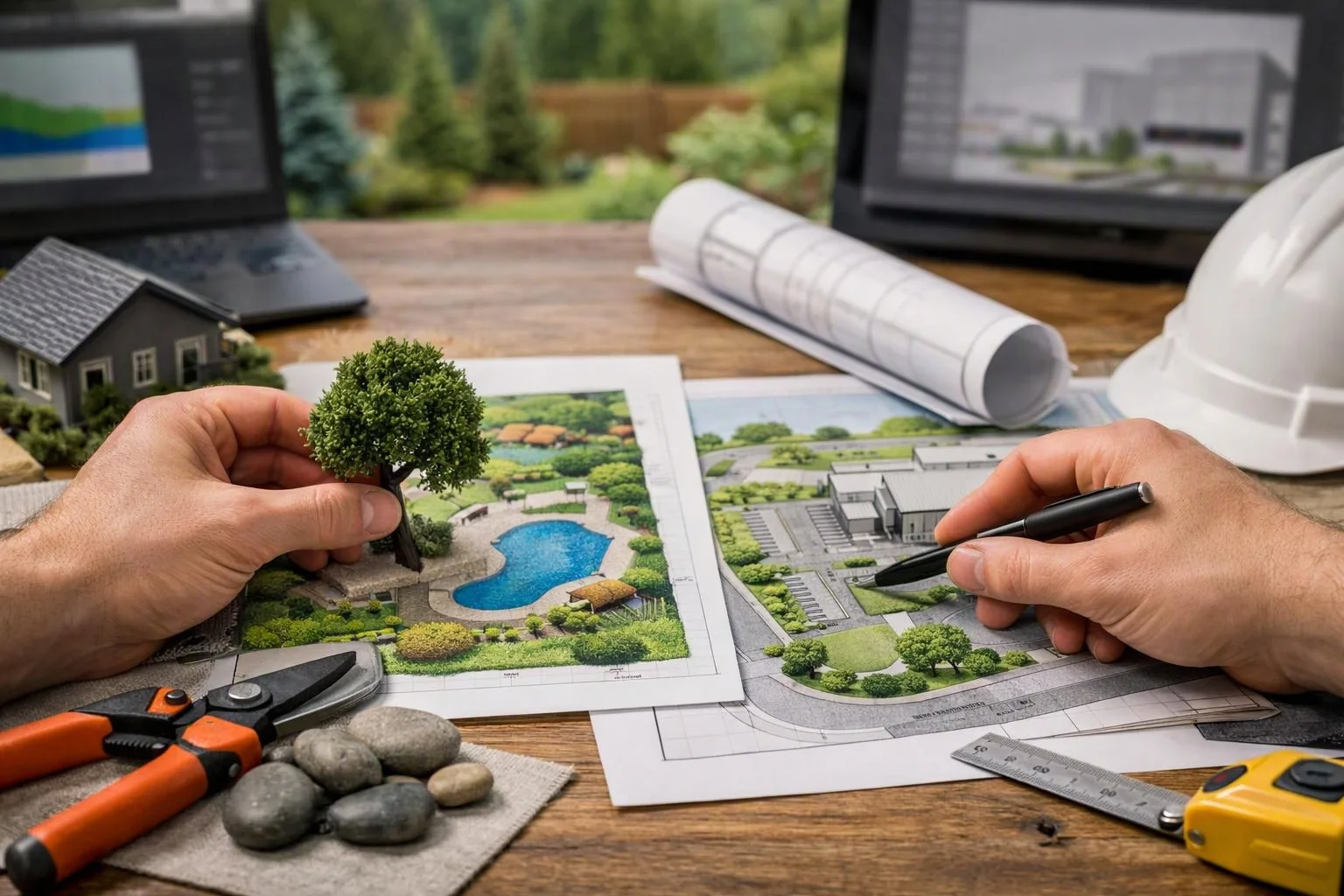
How Residential and Commercial Landscape Design Differ
Residential landscape design serves household use and personal outdoor goals, while commercial landscape design must support business operations, public access, safety, and consistent site appearance.
| Planning factor | Residential landscape design | Commercial landscape design |
|---|---|---|
| Main purpose | Comfort, privacy, appearance, and outdoor living | Business operations, customer access, safety, and site performance |
| Primary users | Homeowner, household members, and guests | Customers, employees, tenants, and visitors |
| Typical focus | Patio, lawn, garden, privacy, and planting choices | Entryway, parking area, walkway, access, and site circulation |
| Ongoing needs | Personal maintenance preferences and household use | Reliable landscape maintenance, safety, accessibility, and appearance |
| Budget planning | Choices follow household goals and available space | Choices follow business use, access needs, durability, and maintenance demands |
What Is Residential Landscape Design?
Residential landscape design is a home-focused plan that shapes outdoor space for comfort, privacy, appearance, and daily use.
A residential property may need outdoor living areas that feel useful and welcoming. We consider the homeowner’s routines, privacy goals, and preferred style before shaping the plan.
Plant selection should suit the site and the care the household can provide. A plan may include a patio, lawn, garden, irrigation, paths, and other hardscape features.
What Is Commercial Landscape Design?
Commercial landscape design is a business-focused plan that organizes outdoor areas for access, safety, appearance, and reliable operation.
A commercial property must work for the business owner and the people using the site. Customers, employees, and tenants may all need clear routes through the property.
We review the entryway, parking area, walkway, and site circulation together. The design must support customer access while protecting employee access and maintenance routes.
Commercial landscaping also needs a practical landscape maintenance plan. Durable plants, clear edges, and serviceable irrigation can help the site remain consistent during daily business activity.
Which Project Needs More Planning Detail?
Commercial landscape design usually needs more coordination because the landscape must work around business activity, public movement, safety, and maintenance access.
Our site analysis considers land use, pedestrian traffic, vehicle access, drainage, irrigation, and lighting. We also review plant durability and how crews can reach the landscape without disrupting operations.
Residential planning still needs care, especially when grading, water flow, or access affects the home. Commercial projects usually connect more users and systems, so maintenance planning becomes part of the design from the start.
Our landscape design services can begin with a consultation that defines the site conditions and project scope.
What Should a Business Check Before Planning a Landscape?
A business should check site use, access, safety, water needs, maintenance, and property requirements before approving a landscape plan.
We use these answers to keep the plan practical for daily operations. A clear review also helps identify conflicts before installation begins.
When Do Residential and Commercial Services Work Together?
Residential and commercial landscape services work together when one property serves both household and business purposes.
We separate private use from shared use during the consultation. That approach helps each area support its users without creating access or maintenance conflicts.
How Can the Two Services Work Together?
Residential and commercial services work together when the design process connects site review, installation, and ongoing care.
We can coordinate related areas when one project includes private, shared, and business-facing space. The final scope should show which features serve each group.
How We Shape the Design Around Your Property
Our landscape consultation connects property goals with site conditions, user needs, and long-term maintenance needs.
We begin with site analysis and review how people use the property. We then develop a planting plan and hardscape plan that fit movement, privacy, appearance, and access.
Drainage planning and irrigation planning help address water flow and plant needs. We also consider lighting, service routes, and the care required after installation.
Our team uses the project scope to keep decisions clear from concept through installation planning. LandscaperSammamishwa.com brings the same practical focus to residential and commercial sites.
What Changes the Cost of a Residential or Commercial Design?
Project size, site complexity, materials, access, plant choices, and added systems change the cost, so we review the property before preparing a quote.
Residential and commercial design costs depend on the design scope and the work required to support the property. Hardscape materials, plant selection, drainage work, irrigation work, and lighting can each change the project.
Access limits may affect installation planning, especially where vehicles, customers, or tenants use the site. Maintenance requirements also matter because durable planting and easy service access can shape the design.
We explain the planned work, included features, and main cost drivers in our quote. To request a property review, use our contact page.
How to Choose the Right Landscape Design Scope
The right landscape design scope depends on property type, primary users, project goals, site constraints, and maintenance capacity.
We can adjust the design scope when site conditions or user needs change. A clear scope helps connect the plan to installation and future care.
Questions About Residential and Commercial Landscape Design
Can a property need both residential and commercial landscape design?
Yes, a property can need both services when private living areas share space with business or public-use areas. We separate privacy, customer access, employee access, and shared maintenance needs during planning.
Should commercial landscape design include a maintenance plan?
Yes, commercial landscape design should include a maintenance plan because plant care, access, safety, and appearance affect daily business use. We account for service routes, plant durability, irrigation needs, and the desired level of upkeep.
What does a landscape consultation cover for a business property?
A landscape consultation for a business property covers site use, customer access, employee access, pedestrian circulation, vehicle circulation, drainage, irrigation, safety, and maintenance needs. We use those findings to shape the design scope and quote.
How do site users affect landscape design choices?
Site users affect landscape design choices by shaping access routes, privacy needs, safety details, plant durability, and maintenance planning. We design residential spaces around household use and commercial spaces around business activity and public access.
Related Resources
Landscape Architect or Landscape Designer: Which Should You Hire?
Compared ToDesign-Build Landscaping or Separate Designer and Contractor?
Compared ToLandscape Design Plans or a Contractor’s Estimate: What Do You Need?
Compared ToResidential or Commercial Landscape Design: Choosing the Right Provider