Which materials are suitable for a retaining wall on my property?
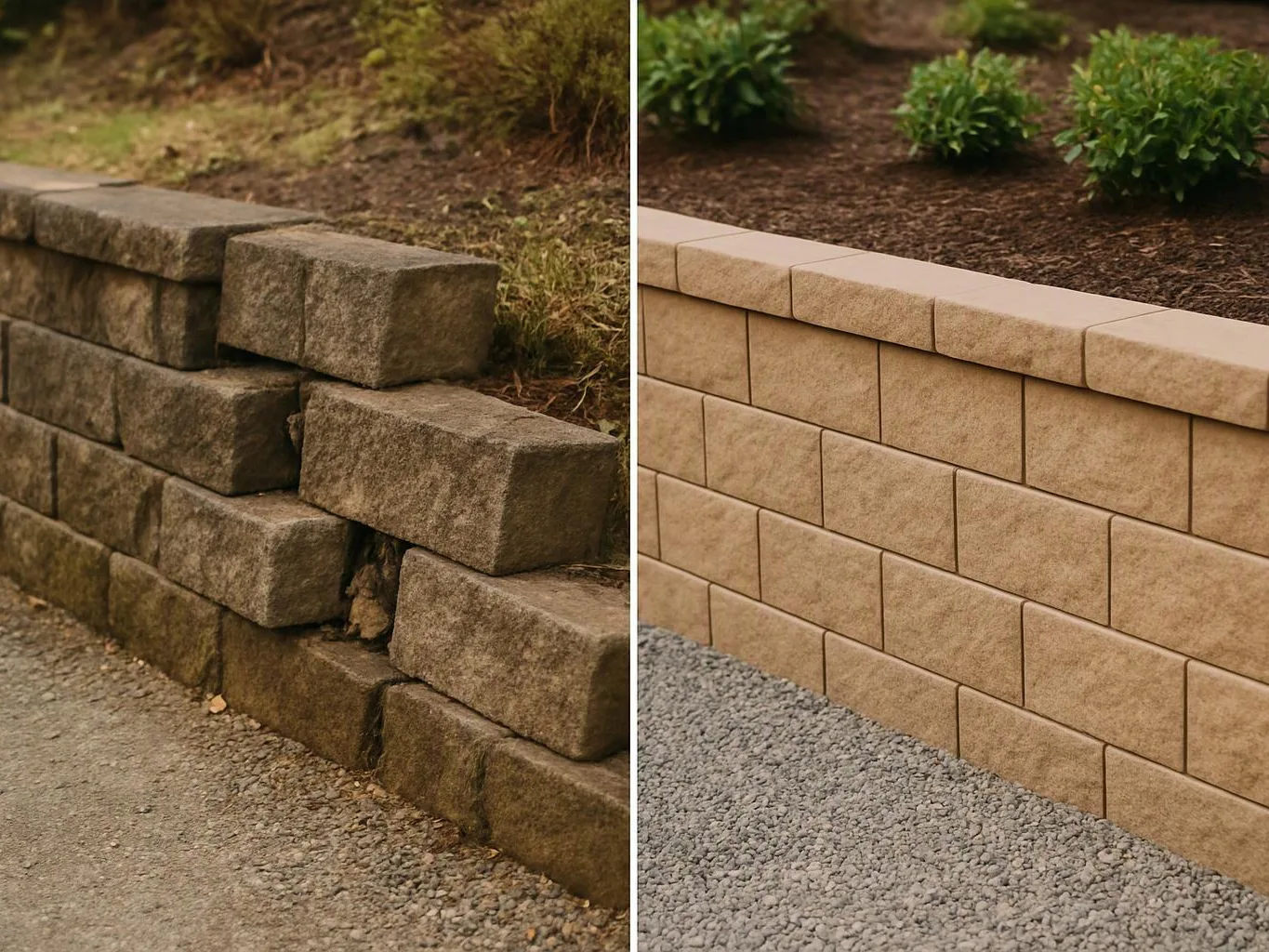
Segmental blocks are a suitable choice when a structured modular wall fits the site and design. Natural stone, poured concrete, timber sleepers, and brick masonry can also suit different properties. Soil, drainage, wall position, access, and nearby materials guide the choice. We compare those factors before the design is set, so the wall supports both the grade and the surrounding landscape.
How does the property layout shape the wall plan?
The property layout determines the wall's position, height, access, and connection to nearby features. A path may need a wider clear edge, while a patio may require careful alignment with the new grade. We review the home, hardscape, planting areas, and drainage routes before choosing the wall approach. That review also identifies where construction access could affect the scope.
What should I prepare before requesting a retaining wall quote for Retaining Wall Installation?
Photos, the wall location, the main problem, and nearby access details help us understand the request. Include views from above and below the slope when possible. Note nearby patios, paths, planting beds, fences, and places where water collects. Those details support a more useful discussion about materials, site review, and the work included in the quote.
When does a retaining wall need more than a landscape installation?
A retaining wall needs a broader review when its size, structural demands, drainage, or site conditions exceed the planned landscape scope. Soil movement, a steep grade, nearby structures, or difficult access can change the work plan. We review the property first and explain the next step. The right path may involve added design or jurisdictional review before construction.
When scheduling Retaining Wall Installation, why does drainage matter behind a retaining wall?
Drainage matters because water behind the wall adds pressure to the wall system and surrounding soil. The inspection considers where water comes from, where it should go, and how nearby grades affect that path. Drainage also protects adjacent planting beds, paths, and patios. We include those findings when we discuss the wall material and project scope.
How can a retaining wall fit a larger landscape project?
A retaining wall can connect a grade change with patios, walkways, planting beds, lawns, lighting, or water features. The design places the wall within the property's wider use instead of treating it as an isolated edge. Our design-to-build approach covers outdoor projects from concept through installation. Regular maintenance can then help protect the planting and lawn areas around the wall.