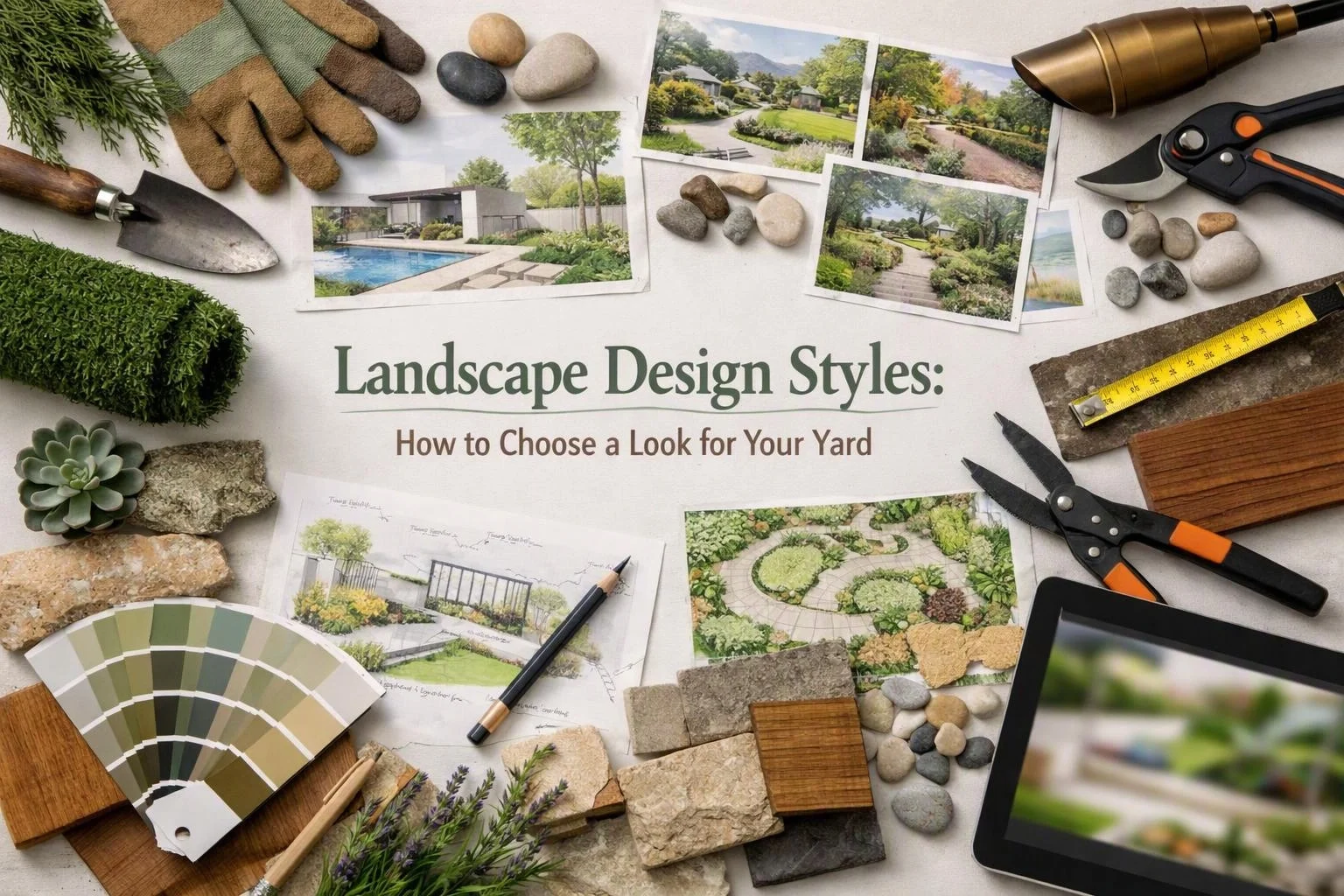
Landscape Design Styles: How to Choose a Look for Your Yard
Landscape design styles range from formal and structured to natural and relaxed. LandscaperSammamishwa.com helps connect your preferred look with the yard’s layout, plants, hardscape, and maintenance needs.
Written by Adam Gorski · 29 years of local experience
Request an EstimateWhat Are the Main Landscape Design Styles?
Landscape design styles are visual and functional approaches that guide a yard’s layout, materials, plants, and maintenance. At LandscaperSammamishwa.com, we help match the style to your home, site, and daily needs.
Formal landscape design uses order, symmetry, and defined planting beds. Informal landscape design uses asymmetry, curved paths, and natural planting. Modern landscape design favors clean lines, simple forms, and a limited plant palette.
A cottage garden combines mixed borders, colorful perennials, and a relaxed feel. A naturalistic landscape design uses native plants, ornamental grasses, and seasonal interest. Mediterranean landscape design often uses warm materials and plants suited to dry conditions.
A Japanese garden emphasizes calm spaces, careful balance, and meaningful focal points. Xeriscape focuses on water-wise plant selection and efficient irrigation. Each style can be adapted to a residential landscape design plan.
Written by Adam Gorski.
Formal and Informal Landscape Design
A formal garden uses symmetry, geometry, and repeated shapes to create a controlled look. Hedges, aligned paths, and evenly spaced plants can support that structure.
An informal garden uses asymmetry and natural planting to create a softer result. Curved paths, varied plant heights, and loose groupings make the yard feel less rigid.
Modern, Cottage, and Naturalistic Gardens
A modern garden uses clean lines, restrained colors, and strong open spaces. A cottage garden uses mixed borders and layered flowers for a fuller, more relaxed appearance.
A naturalistic garden uses native plants, ornamental grasses, and forms that reflect the surrounding setting. We can combine these ideas when the home and site support more than one visual direction.
How Do You Choose a Landscape Design Style?
Choose a landscape design style by matching the home, yard uses, site conditions, planting preferences, and available maintenance. We begin with the parts of the yard that must work well every day.
Our team can also review the wider site before selecting a style. Our landscape design service connects the concept with practical site planning.
How Do Plants and Hardscape Shape a Garden’s Style?
Plants create seasonal character and texture, while hardscape establishes structure, movement, and the main visual language of the yard. The strongest plans coordinate both parts from the beginning.
A plant palette may include trees, shrubs, perennials, and ground covers. Plant height, leaf shape, bloom time, and spacing affect the mood of each planting bed.
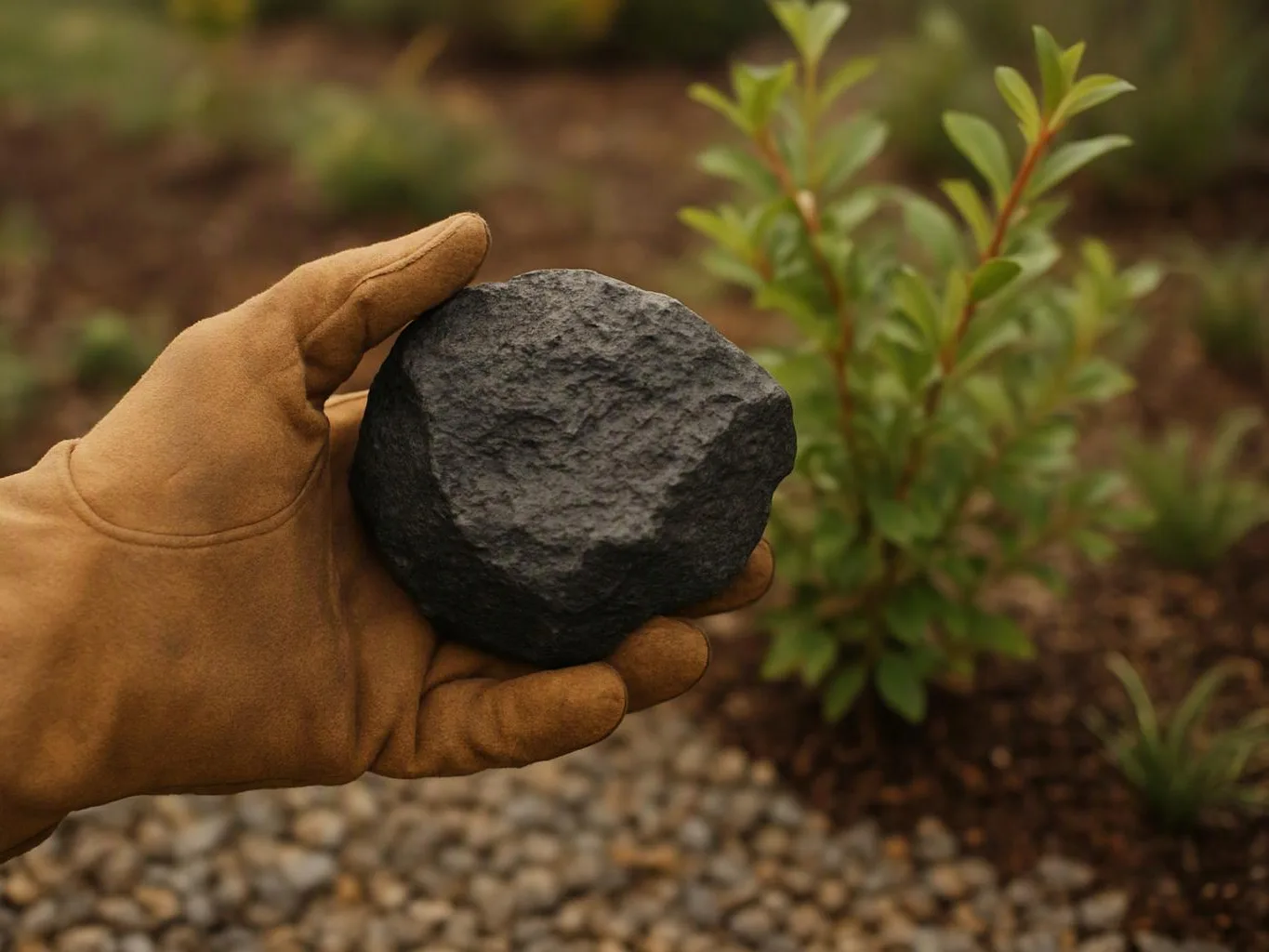
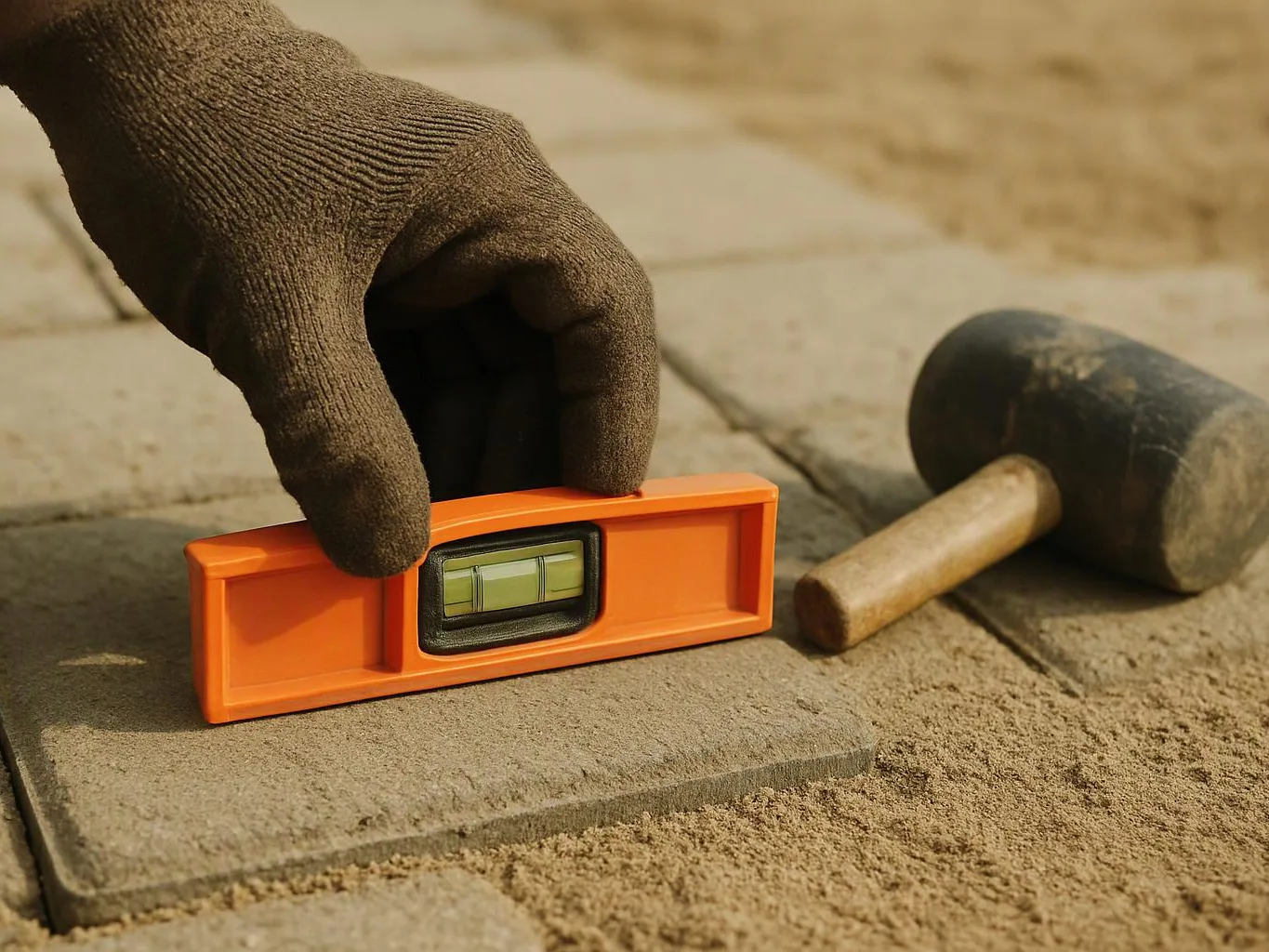
A patio supports outdoor living, while a pathway guides movement through the yard. A retaining wall can organize changes in grade, and boulders can add weight to a naturalistic or rock landscaping plan.
Mulch helps define planting areas, while irrigation supports plant health when matched to site conditions. We review these elements together so the garden feels planned, not pieced together.
When Do Landscape Design and Garden Design Work Best Together?
Landscape design and garden design work best together when the yard needs both structure and detailed planting decisions. The combined approach keeps the layout, plant choices, and outdoor living goals connected.
We bring these services together when the site needs a unified result. This approach also helps keep project scope clear as the design develops.
How Do Landscape Design and Garden Design Work Together?
Landscape design and garden design work together through a connected plan, from the first layout to installation. Each stage gives the next stage clear information.
Project scope depends on the size, access, grading, drainage, materials, and plant selection. Our team explains these cost drivers in the plan and provides an exact quote after reviewing the project.
How Can You Combine Styles Without Making the Yard Feel Random?
Combine landscape styles by giving the yard one clear design cohesion, then using smaller style changes in defined areas. A shared structure helps different garden themes feel intentional.
Choose one focal point for each important view. Repeat selected plants, materials, and colors so the eye finds a steady visual rhythm.
Use a consistent material palette for patios, pathways, walls, and edging. Transition planting can soften the change between a formal area and a naturalistic garden.
We also check scale and spacing across the property. Repeated forms create unity, while controlled changes keep the yard from feeling flat.
What Should a Landscape Style Plan Include?
A landscape style plan should include a site assessment, design concept, planting plan, hardscape layout, and maintenance guidance. The plan should show how the style responds to the property’s real conditions.
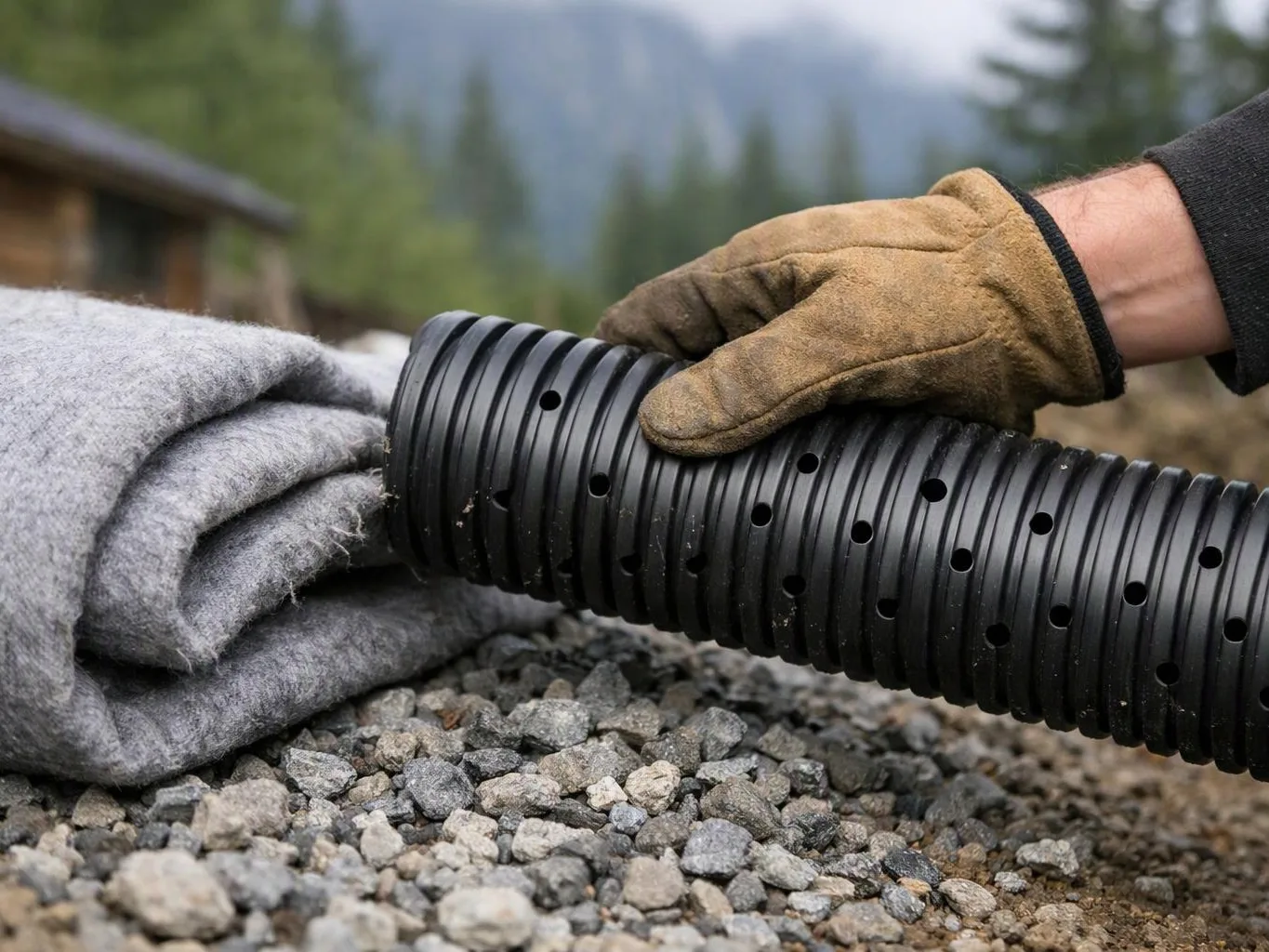
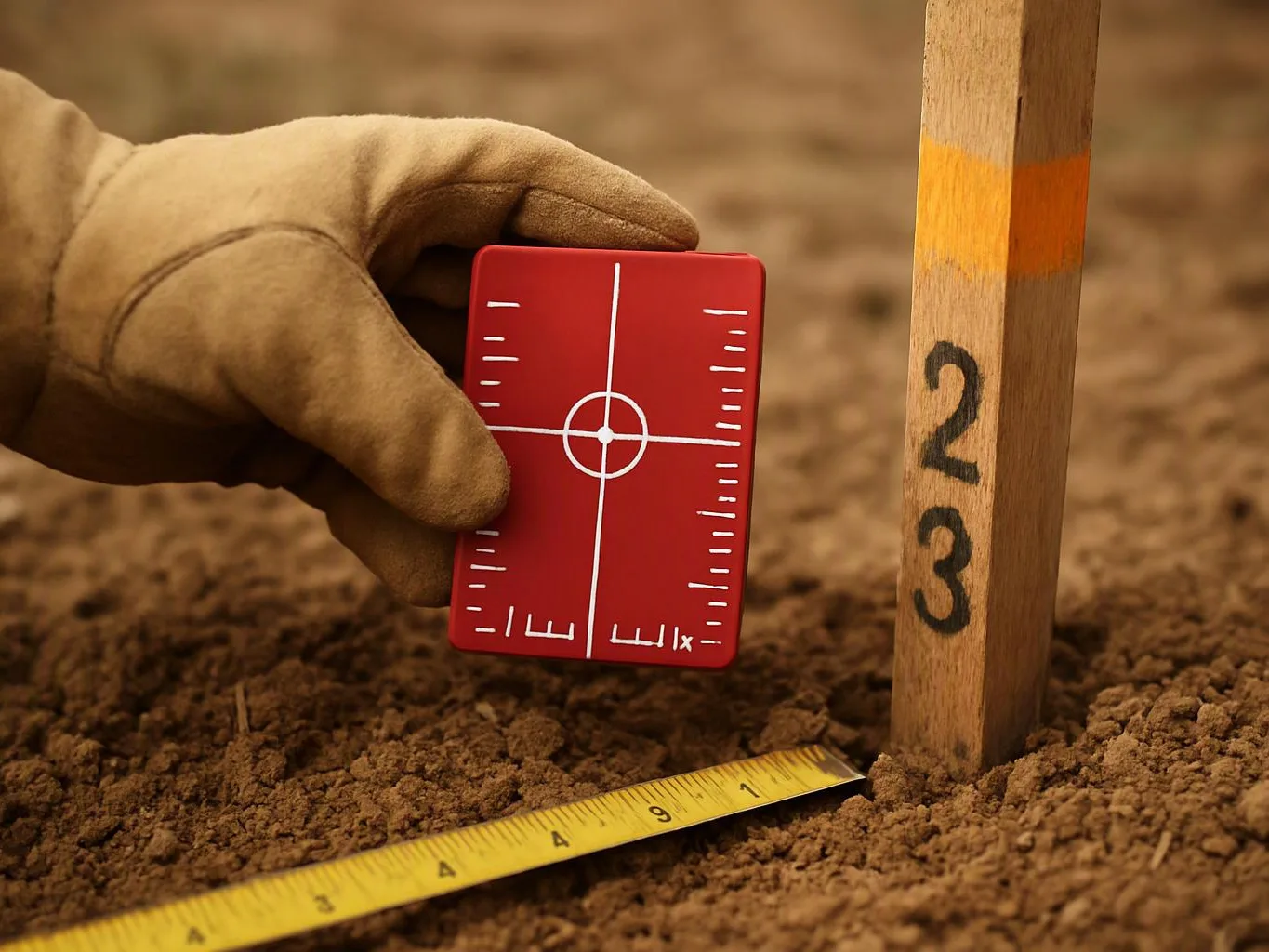
A site assessment reviews sun exposure, soil conditions, drainage, access, existing plants, and grade. Grading and drainage decisions can affect patios, planting beds, retaining walls, and rock landscaping.
The planting plan should explain plant placement, seasonal interest, mature form, and maintenance needs. The hardscape layout should show movement, gathering areas, materials, and visual connections.
Our team can explain the maintenance guidance with the design. That helps you choose a garden style that remains practical after installation.
Questions About Choosing Landscape Design Styles
What should be included in a landscape design consultation?
A landscape design consultation should review your home architecture, yard function, site conditions, plant preferences, hardscape goals, and maintenance needs. We use that discussion to shape a practical design direction and explain the project scope.