Native Plant Landscaping: Benefits, Design Choices, and Planting Plans
Native plant landscaping uses plants suited to local conditions, which can support habitat, reduce irrigation needs, and create a stronger garden design. At LandscaperSammamishwa.com, we connect plant selection, site planning, and installation into one practical plan.
Written by Adam Gorski · 29 years of local experience
Request an Estimate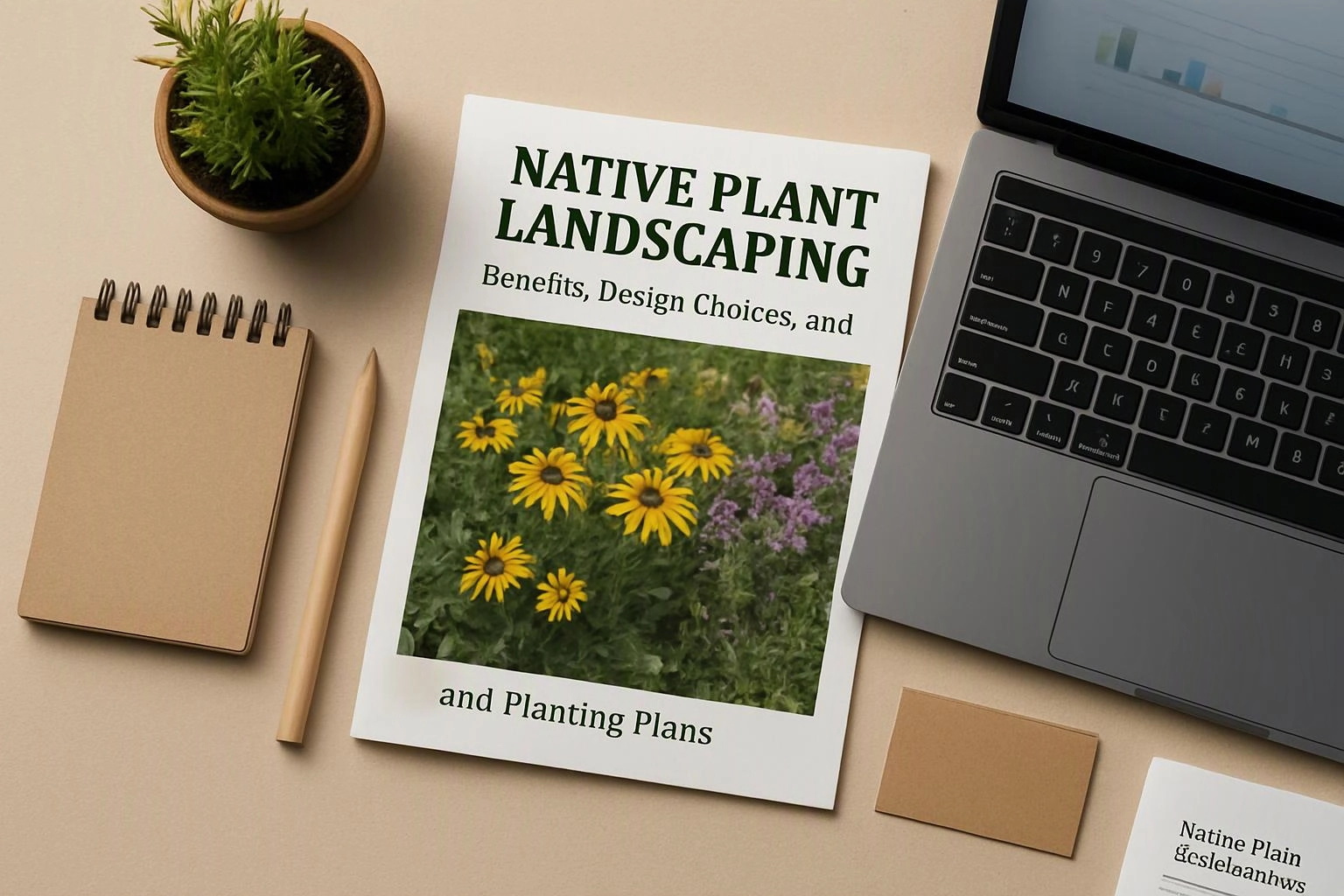
What Are the Benefits of Native Plant Landscaping?
Native plant landscaping can support habitat, fit local growing conditions, and reduce some ongoing garden demands.
Native plants can add food and shelter for pollinators and other wildlife. A varied planting palette also supports biodiversity and creates a stronger ecosystem.
These plants often suit the local soil, weather, and water patterns. That fit can reduce irrigation needs after plants become established, although every garden still needs care.
Living roots can support soil health and help protect the soil layer. Good plant choices may also limit bare ground, erosion, and heavy maintenance.
How Do Native Plants Change Garden Design Choices?
Native plants shape garden design through site conditions, mature form, seasonal change, and the needs of nearby plants.
We study sun exposure, soil type, drainage, and available space before choosing plants. Those details guide the plant palette and help each plant grow in a suitable location.
Plant layers can give a garden structure without making it look rigid. Trees, shrubs, ground cover, and flowering plants can work together across the seasons.
Seasonal interest comes from more than flowers. Foliage, stems, seed heads, bark, and winter form can keep the garden useful and attractive throughout the year.
Match Plants to Sun, Soil, and Drainage
Sunlight, soil moisture, and drainage determine which plants can thrive in each planting bed.
We look for wet areas, dry edges, compacted soil, and shade from established trees. We also consider microclimates created by walls, slopes, and nearby paving.
Plant tolerance matters because conditions can change across a small yard. Matching plants to those differences helps reduce stress and future replacements.
Build Layers for Habitat and Visual Structure
Wildlife habitat improves when a garden includes connected layers of plants.
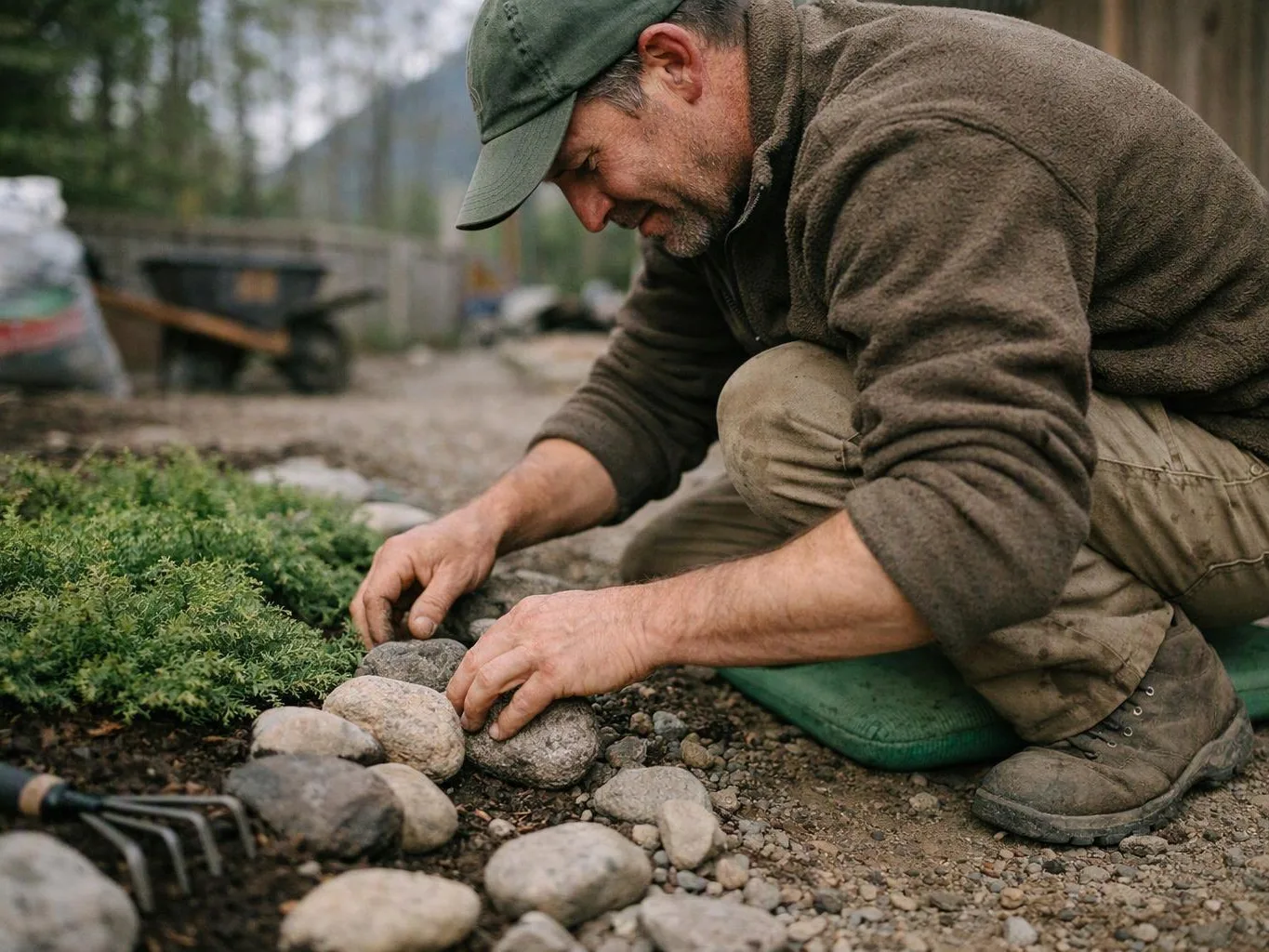
A canopy can provide height and shelter, while a shrub layer adds nesting cover and seasonal form. Ground cover helps fill open soil and gives the planting bed a finished base.
We arrange plant groups so mature sizes support both habitat and garden structure. The layout also leaves room for access, airflow, and future maintenance.
How Do You Plan a Native Plant Garden?
A native plant garden starts with a site review, then moves through design, plant selection, soil preparation, installation, and care planning.
Each step affects the next one, so a clear plan helps prevent poor plant placement. We can also adapt the plan for a pollinator garden, rain garden, native woodland garden, or native meadow planting.
Can Native Plants Be Added to an Existing Landscape?
Yes, native plants can be added to an existing landscape when the design respects current trees, soil, drainage, and useful plants.
We first review the existing landscape and identify plants worth keeping. Established trees need special care because their roots, shade, and soil conditions affect new planting.
Garden renovation may include replacing weak plants, removing invasive plants, or expanding a planting bed. We keep useful structure where it supports the new design.
Plant replacement works best when the new palette matches the site. We also check irrigation coverage so new plants receive suitable water during establishment.
When Do You Need Native Landscaping and Planting Design Together?
Native plant landscaping and planting design work best together when plant choice must follow site planning.
These services often belong in one project when you need to:
How Do Native Landscaping and Planting Design Work Together?
Native landscaping and planting design work together as a sequence from site review to ongoing care.
What Should a Native Planting Plan Include?
A native planting plan should show the plants, their locations, site conditions, and care needs.
| Plan element | What it shows |
|---|---|
| Plant list | Selected native plants, their roles, and suitable growing conditions. |
| Plant spacing | Placement that allows mature growth, airflow, access, and visual balance. |
| Bed layout | Bed edges, plant groups, paths, focal areas, and transitions. |
| Sun and soil conditions | Sun exposure, soil type, moisture, drainage, and microclimate details. |
| Maintenance notes | Watering, pruning, mulch, weed control, seasonal care, and plant establishment needs. |
A complete plan helps our crew install the design consistently. It also gives you a clear reference when the garden changes over time.
How We Turn a Native Plant Plan Into a Finished Landscape
LandscaperSammamishwa.com turns a native plant plan into a finished landscape through site review, planting design, and plant installation.
We begin by checking the existing conditions and confirming the garden goals. Our team then develops a plant palette and layout that fit the site and the desired garden design.
During installation, we prepare planting areas, place plants according to the plan, and coordinate irrigation and mulch needs. We keep the work aligned with the broader residential landscape design.
Our process can support new gardens and garden renovation projects. To discuss the project scope and request an exact quote, contact our team.
Questions About Native Plant Garden Planning
Are native plants low maintenance?
Native plants can be lower maintenance when they match the site and receive suitable care during establishment. They still need watering, weed control, pruning, and seasonal attention.
Do native plants need watering after installation?
Yes, native plants need watering after installation while their roots establish. Water needs depend on the plant palette, soil moisture, weather, drainage, and irrigation coverage.
How do I choose native plants for different soil conditions?
Native plants should be chosen by matching their soil moisture, drainage, texture, and sun needs to each planting area. We use those conditions to build a plant palette that supports steady growth.
What should I remove before adding native plants to an existing garden?
Existing gardens may need removal of invasive plants, failing plants, damaged materials, or growth that blocks the new layout. We protect useful plants and established trees when they fit the renovation plan.
How can native plants provide year-round garden interest?
Native plants can provide year-round interest through changing flowers, foliage, seed heads, stems, bark, and mature form. We combine plant layers and seasonal traits so the garden remains useful and visually balanced.
Written by Adam Gorski